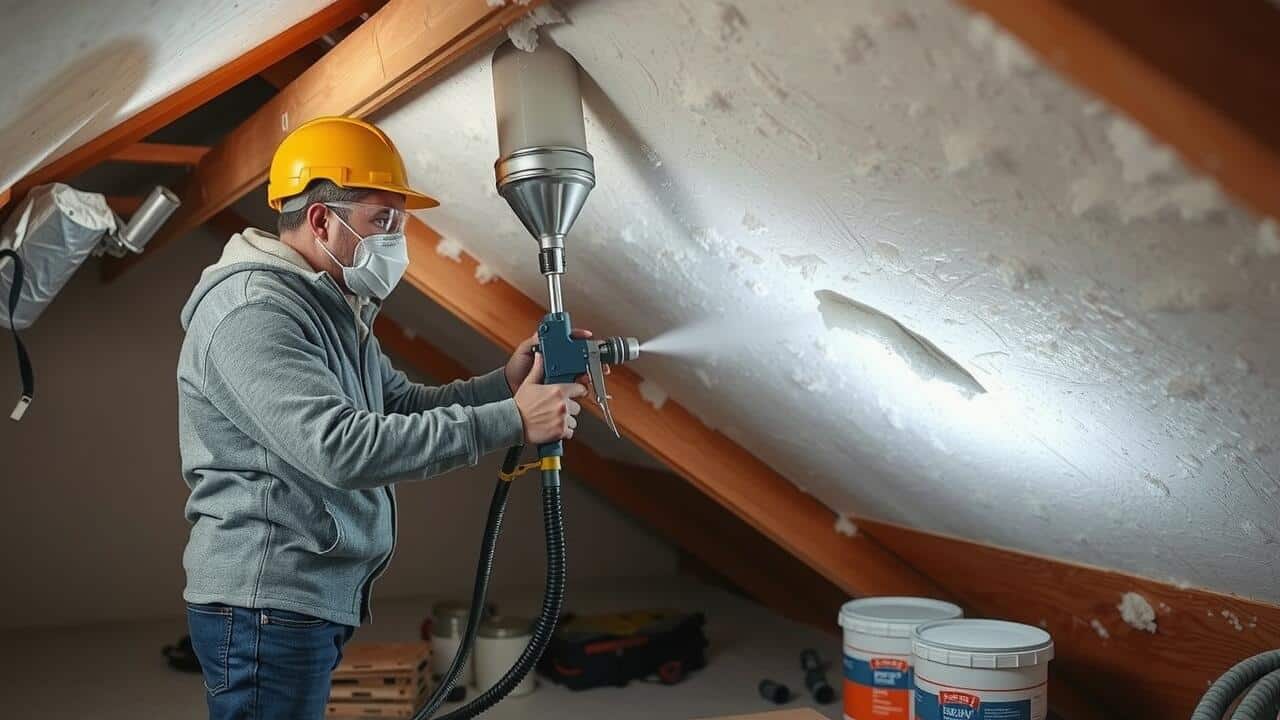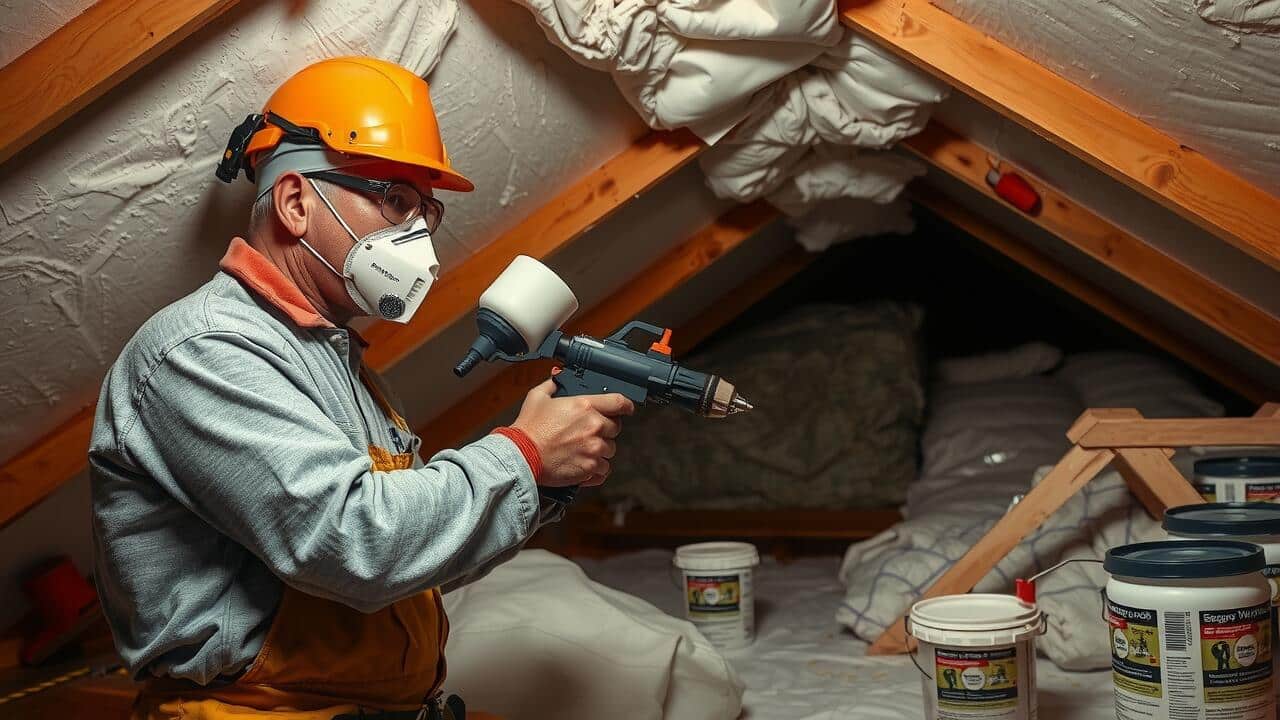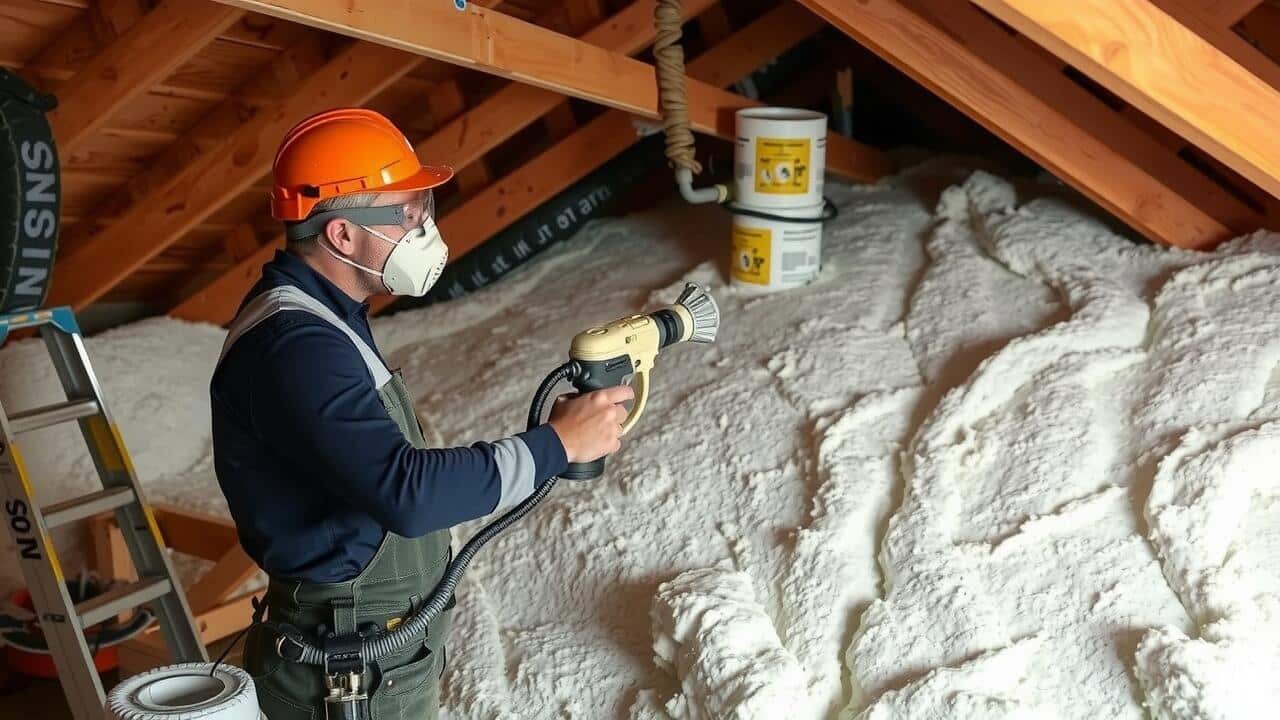
At Express Attic Insulation in Spring, TX, we specialize in spray foam insulation, a highly effective solution for improving energy efficiency and comfort in your home. Our expertly applied spray foam creates a seamless air barrier that effectively seals gaps and cracks, preventing drafts and reducing energy costs year-round. This versatile insulation not only enhances thermal performance but also helps to control moisture, making it an excellent choice for attics, walls, and crawl spaces. Our knowledgeable team uses top-quality materials and the latest techniques to ensure a professional finish, providing you with a quieter, healthier living environment while significantly lowering your heating and cooling expenses. Choose Express Attic Insulation for reliable spray foam insulation services that transform your home into an energy-efficient sanctuary.
Understanding R-Value and Thermal Performance
R-value measures a material’s resistance to heat flow. It indicates the thermal performance of insulation products, with higher values representing better insulating capabilities. In terms of spray foam insulation, the R-value can vary based on the type and thickness applied. Closed-cell foam generally offers higher R-values compared to open-cell versions. Homeowners often consider the R-value when choosing insulation materials for different areas of their homes, such as attics and basements. Understanding these values helps in selecting the appropriate insulating technique to enhance energy efficiency.
Effective air sealing is crucial for minimizing heat transfer and preventing air infiltration. Spray foam insulation creates an air barrier that reduces unwanted drafts, contributing to improved indoor temperature regulation and consistent climate control. This property not only helps in decreasing heating and cooling costs but also plays a significant role in protecting structures from moisture damage and mold growth. Additionally, when applied correctly, spray foam fills gaps and cracks, eliminating pathways where heat can escape or enter, further boosting thermal performance for various building projects.
Importance of Insulation Ratings
Insulation ratings play a crucial role in assessing the effectiveness of various insulation materials. The R-value measures resistance to heat transfer, with higher values indicating better insulating performance. This rating influences energy efficiency, determining how effectively a building can maintain its desired temperature. Homeowners and builders often rely on these values when selecting insulation types for different applications. For instance, spaces like crawl spaces or pole barns typically require specific insulation solutions that align with their distinct thermal performance needs.
Understanding insulation ratings also aids in making cost-effective decisions regarding HVAC systems and energy consumption. It allows for comparisons between materials such as foam-in-place insulation, fiberglass batts, and mineral wool, each exhibiting different insulating values and characteristics. Knowledge of these ratings can inform choices about radiant barriers and board insulation to enhance overall energy savings. Whether considering the weight of different materials or their effects on the building envelope, insulation ratings remain essential for maximizing efficiency and ensuring a comfortable indoor environment.
Moisture Resistance and Air Sealing
Spray foam insulation serves as an effective barrier against moisture infiltration while also contributing to comprehensive air sealing. Its unique expanding properties allow it to fill gaps around concrete, metal, and wood joists. This feature creates an airtight seal that significantly reduces the potential for heat loss through leaks. By minimizing air movement, homeowners can maintain a more consistent indoor temperature while also mitigating the risk of mold and mildew, which can thrive in damp, poorly insulated areas.
The integration of spray foam in building insulation adheres to modern building codes, making it a preferred choice for both new constructions and retrofitting older structures. Many products boast flame retardant properties, ensuring safety in the event of a fire. This insulation type can also enhance soundproofing, making living spaces quieter and more comfortable. With a focus on utility efficiency, spray foam insulation provides a thermal barrier essential for reducing energy consumption in both residential and commercial buildings.
Combating Air Leakage
Air leakage poses a significant challenge to the effectiveness of insulation systems. Gaps and cracks in the building envelope allow conditioned air to escape, leading to increased heating and cooling costs. Spray foam insulation offers a remarkable solution by expanding upon application, effectively filling irregularities in framing, attics, crawlspaces, and around air ducts. Unlike fiberglass batts or blanket insulation, spray foams create an airtight seal. This helps in minimizing convective heat loss and maximizing energy savings.
Combating air leakage is crucial for maintaining indoor comfort and preventing moisture-related issues such as mold growth. Traditional insulation methods may struggle to provide the level of air sealing necessary for optimal performance. Materials like cellulose insulation and fiberglass batts can be prone to settling, leaving spaces vulnerable to drafts. The superior properties of spray foam insulation not only enhance thermal resistance with higher R-values but also contribute to sound dampening, making it an effective choice for homeowners seeking a quieter living environment.
Safety and Environmental Considerations
When selecting spray foam insulation, safety and environmental concerns must be a top priority. The materials used in insulating foam, like hydrofluoroolefin, play a critical role in its environmental impact. Some formulations may contribute to ozone depletion, which is why it’s essential to choose products compliant with regulations like the Kigali Amendment. In addition, proper ventilation is crucial when installing spray foam. The gases produced during application can pose respiratory risks. Homeowners should be aware of potential chemical sensitivities that may lead to conditions such as asthma attacks or hypersensitivity pneumonitis.
Fire resistance is another vital consideration when assessing insulation materials. Many modern spray foam products are designed with fire retardant properties. These can help minimize risks in areas where electric wiring and heating systems are present. Effective thermal barriers also play a role in controlling heat transfer, safeguarding against structural moisture and potential damage to the building’s envelope. Ensuring that the insulation meets safety standards will not only help maintain indoor air quality but also protect the surrounding environment.
Fire Retardant Properties
Spray foam insulation often incorporates flame retardant chemicals designed to enhance safety in residential and commercial buildings. These properties help to reduce the risk of fire spread by slowing down combustion. While polyurethane foam can potentially ignite, the presence of fire retardants minimizes the intensity and duration of flames, giving occupants more time to evacuate. Understanding the chemical makeup of insulation products is crucial, especially for those concerned with safety during a fire incident.
In addition to inherently improving safety, these flame retardant features contribute to energy efficiency. By maintaining a stable thermal environment, spray foam helps to conserve heat energy during winter months and keeps interiors cooler in summer. This effectiveness in insulation not only reduces energy costs but also aligns with broader environmental initiatives, such as the Kyoto Protocol, aimed at minimizing global warming effects. Selecting insulation with reliable fire-resistant properties can enhance both safety and sustainability within any building project.
FAQS
What is spray foam insulation?
Spray foam insulation is a type of insulation that is applied as a liquid and expands to fill gaps and cracks in walls, attics, and other spaces, providing an effective thermal barrier and air seal.
How does R-value relate to spray foam insulation?
R-value measures the thermal resistance of insulation materials. Spray foam insulation typically has a higher R-value compared to traditional insulation types, providing superior thermal performance and energy efficiency.
Is spray foam insulation moisture resistant?
Yes, spray foam insulation is moisture resistant, which helps prevent mold and mildew growth. Its air sealing properties also help to combat moisture infiltration from outside.
Are there any safety concerns with using spray foam insulation?
While spray foam insulation is generally safe, it is important to follow application guidelines and safety protocols. Proper ventilation and the use of personal protective equipment (PPE) during installation are essential to minimize exposure to chemicals.
What makes spray foam insulation fire retardant?
Many spray foam insulation products include fire-retardant additives that help to slow the spread of flames. However, it is important to check specific product ratings and local building codes regarding fire safety requirements.