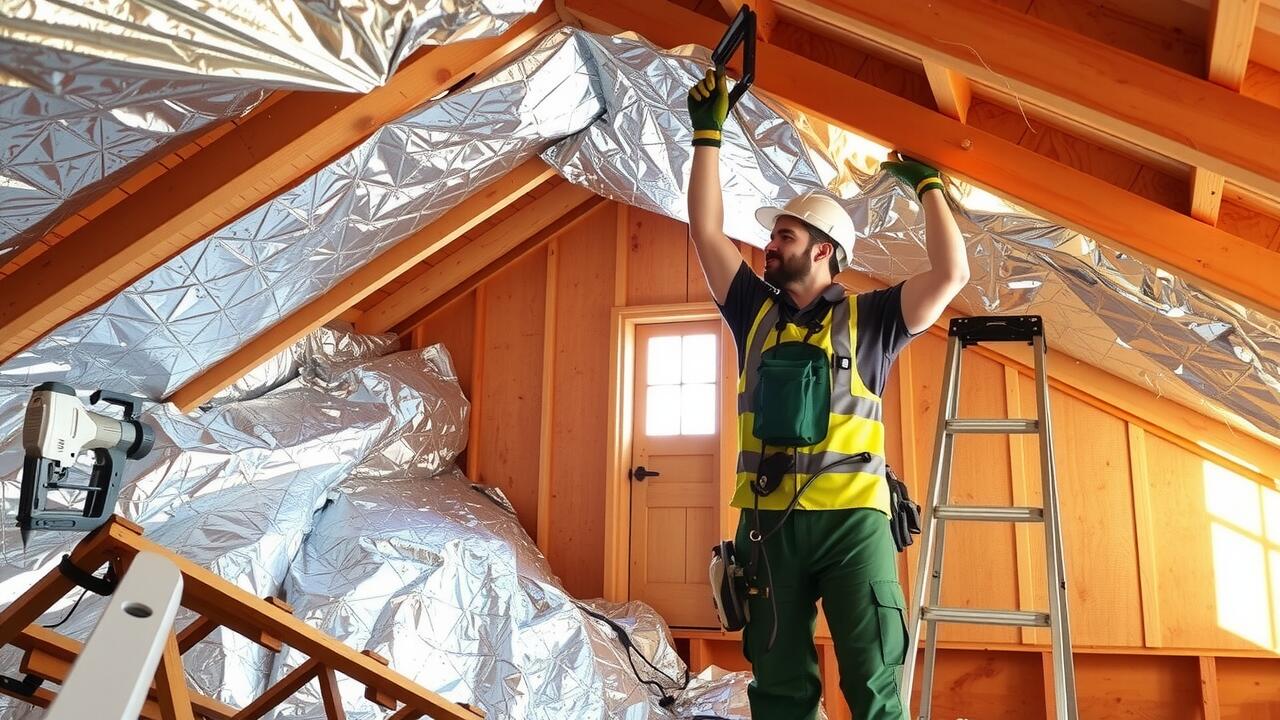
At Express Attic Insulation in Spring, TX, we specialize in the installation of high-quality Radiant Barrier Foil, a cutting-edge insulation solution designed to reflect heat and improve energy efficiency in your home. This innovative material helps keep your living spaces cooler in the summer and warmer in the winter by minimizing heat transfer through the roof. By installing Radiant Barrier Foil, you can significantly reduce your energy bills while enhancing the overall comfort of your home. Our experienced team is dedicated to providing efficient and professional service, ensuring that your insulation needs are met with precision and care. Choose Express Attic Insulation for expert radiant barrier solutions that will help you save on energy costs and improve your home’s energy performance.
Applications of Radiant Barrier Foil
Radiant barrier foil serves as an effective insulation solution in various applications. It is particularly beneficial in attics, where its reflective properties can limit heat transfer from the sun. By installing radiant barrier foil on rafters or under roof sheathing, homeowners can significantly reduce cooling costs during hot months. This reflective insulation is commonly used in both residential and commercial buildings, providing a viable option for enhancing energy efficiency across multiple climate zones.
Applications extend beyond attics to include crawl spaces and ductwork areas. The foil can act as a shield against convection and heat transfer, promoting a more stable indoor temperature. In homes with low-e glass windows or masonry materials, radiant barriers can help control moisture and condensation. Utilizing this type of insulation contributes to overall building performance and complies with various building codes, making it an appealing choice for contractors and homeowners alike.
Best Use Cases for Radiant Barrier Foil in Homes
Radiant barrier foil is particularly effective in attics, where heat accumulation can significantly impact indoor temperatures. Installing this material under the roof or above the insulation can help reflect thermal radiation away from living spaces, keeping homes cooler in warmer climates. This simple yet effective solution can potentially reduce the workload on air conditioning systems, leading to lower energy bills and increased comfort levels for residents.
In addition to attics, radiant barrier foil can be beneficial in garages and other structures exposed to direct sunlight. By applying radiant barriers on walls or even on the garage door, homeowners can minimize heat transfer, making these spaces more usable throughout the year. Areas such as workshops or laundry rooms can also see improved temperature regulation, enhancing comfort during the hotter months while protecting tools and equipment from excessive heat.
Addressing Common Concerns
Concerns about moisture and potential mold growth when using radiant barrier foil are common among homeowners, especially in humid climates like Florida. The material’s permeability plays a crucial role in this equation. Radiant barrier foil often includes a scrim layer or is laminated to enhance durability and moisture resistance. When properly installed within the building envelope, it minimizes the risk of moisture accumulation that could lead to mold issues. The technology is designed with an emphasis on controlling radiant heat transfer while maintaining a healthy indoor environment.
Understanding the effect of radiant barriers on heat loss and HVAC efficiency is vital for homeowners looking to optimize their heating and cooling systems. While radiant barriers are not R-value insulation, they significantly reduce convective heat transfer and radiant heat transfer, contributing to overall energy efficiency. The Department of Energy has endorsed these products for various applications, particularly in attics and ceilings where radiant heat from roofing shingles can impact indoor temperatures. Homeowners can effectively lower their energy bills by employing radiant barrier foil in appropriate areas and ensuring the installation aligns with best practices.
Moisture Control and Radiant Barrier Performance
Maintaining proper moisture control is crucial when considering the performance of radiant barriers. These materials are designed to reflect thermal energy rather than absorb it, which plays a significant role in managing humidity levels within a building envelope. When radiant barrier foil is installed correctly, it helps minimize heat transfer, reducing the likelihood of moisture buildup. This is especially important in areas where temperature fluctuations can lead to condensation, potentially resulting in mold growth. Ensuring adequate airflow around the radiant barrier can further enhance its effectiveness, allowing for proper moisture evaporation and optimal performance.
The unique properties of radiant barrier foil can interact with various insulation materials, affecting their overall efficiency. Its reflective surface enhances thermal performance by reducing the amount of conductive heat flow in buildings, particularly in attics and roofs. However, it is essential to consider humidity levels, as high moisture can diminish the foil’s performance. Maintaining the right balance between insulation materials and moisture management ensures that radiant barriers function well in both hot and cold climates. Proper installation techniques, alongside strategic placement of insulation, contribute to a more effective energy-saving solution, ensuring long-term benefits for homeowners.
Cost Savings with Radiant Barriers
The implementation of radiant barrier foil can lead to significant savings on energy bills, especially in homes located in warmer climates. By reflecting radiant heat away from living spaces, these barriers reduce the reliance on heating and air conditioning systems. This results in less energy being consumed to maintain a comfortable indoor environment. Homeowners may notice a marked decrease in their energy budget, particularly during peak usage months when cooling costs typically surge.
In a typical frame building, enhancing insulation with radiant barriers not only improves comfort but extends the life of HVAC systems. By minimizing heat transfer through roofs and walls, the need for frequent repairs or replacements can be reduced. Furthermore, areas like attics and garages can benefit from the added protection, making these spaces more energy-efficient. Long-term savings can also be realized when considering the durability of materials, as well-installed radiant barriers can mitigate issues like mildew formation in humid areas, leading to fewer maintenance concerns.
Analyzing Energy Savings Over Time
Utilizing radiant barrier foil can significantly reduce energy consumption by minimizing conductive heat transfer. This insulation technique works by reflecting heat away from living spaces, which is particularly advantageous in warmer climates. Homeowners may observe a marked decrease in cooling costs during the hot summer months. This method of insulation creates an air space that enhances overall efficiency, often resulting in substantial energy savings over time.
Adopting radiant barriers not only promotes a more comfortable living environment but also leads to long-term cost benefits. Analyzing energy savings from year to year can reveal a compelling return on investment, especially when compared to traditional insulation materials. Factors like installation location and the surrounding environment play a crucial role in determining the efficiency of radiant barriers. Homeowners who track their energy bills may find that these barriers ultimately pay for themselves through reduced heating and cooling expenses.
FAQS
What is a radiant barrier foil?
A radiant barrier foil is a reflective material, usually made of aluminum, that is installed in attics or other areas to reduce heat transfer by reflecting radiant heat away from living spaces.
How does radiant barrier foil help with energy efficiency in homes?
Radiant barrier foil minimizes the amount of heat that enters a home during hot weather, which can lower cooling costs and improve overall energy efficiency.
Can radiant barrier foil be installed in existing homes?
Yes, radiant barrier foil can be retrofitted into existing homes, typically in the attic or on the roof, to enhance insulation and reduce energy costs.
Does radiant barrier foil control moisture in the home?
While radiant barriers primarily reflect heat, they can also play a role in moisture control by preventing heat from reaching cooler surfaces, which can help reduce condensation.
What kind of cost savings can I expect from using radiant barrier foil?
Homeowners can expect substantial cost savings on energy bills over time, especially in warmer climates, as radiant barrier foil can significantly reduce cooling costs during the summer months.