Table Of Contents
Disposal Methods for Insulation Waste
When dealing with insulation waste, several disposal methods can be employed. One option is to bag and seal the removed insulation, ensuring it is secure before taking it to a local landfill that accepts such materials. Check with your waste management facility to determine if they have specific guidelines for insulation, as improper disposal can lead to violations. Recycling is another possibility, especially if the insulation material is made from recyclable substances.
Insulation removal can also be efficiently handled by community recycling programs. Many areas have facilities specifically designed for handling construction materials. Participating in these programs not only helps reduce landfill waste but also promotes the recycling of valuable materials. Always make sure to follow local regulations surrounding disposal methods to ensure compliance and environmental safety.
Eco-Friendly Options for Insulation Disposal
When considering eco-friendly options for insulation disposal, recycling and repurposing materials can significantly reduce waste. Many types of insulation, such as cellulose and fiberglass, can be recycled. Some companies specialize in taking these materials and transforming them into new products. This process not only helps minimize landfill use but also promotes sustainability within the construction and renovation industries.
Another option is to donate existing insulation that is still in good condition. Organizations and charities often seek materials for home construction and improvement projects. This not only supports local communities but also ensures that functional insulation is used rather than discarded. Engaging in such eco-friendly practices during insulation removal demonstrates a commitment to environmental responsibility.
Hiring Professional Help
Hiring a professional for insulation removal can streamline the process and ensure safety. Experienced technicians possess the necessary tools and expertise to handle various types of insulation. This expertise can reduce the risk of injury or contamination, especially when dealing with hazardous materials like asbestos or moldy insulation. They also understand local regulations regarding disposal, ensuring compliance and reducing liabilities.
When contemplating insulation removal, consider when it might be best to engage a professional service. If the project involves extensive areas or the presence of potentially harmful materials, professional assistance is advisable. Homeowners may also benefit from expert advice on insulation options post-removal. This guidance can help improve energy efficiency and overall home comfort, making the initial investment worthwhile.
When to Consider a Professional Removal Service
When tackling insulation removal, certain situations may necessitate the expertise of a professional service. If the insulation material is hazardous, such as asbestos or mold-infested fiberglass, specialized knowledge and equipment are essential for safe removal. Homeowners who lack experience or proper safety gear should strongly consider hiring professionals to mitigate health risks associated with improper handling.
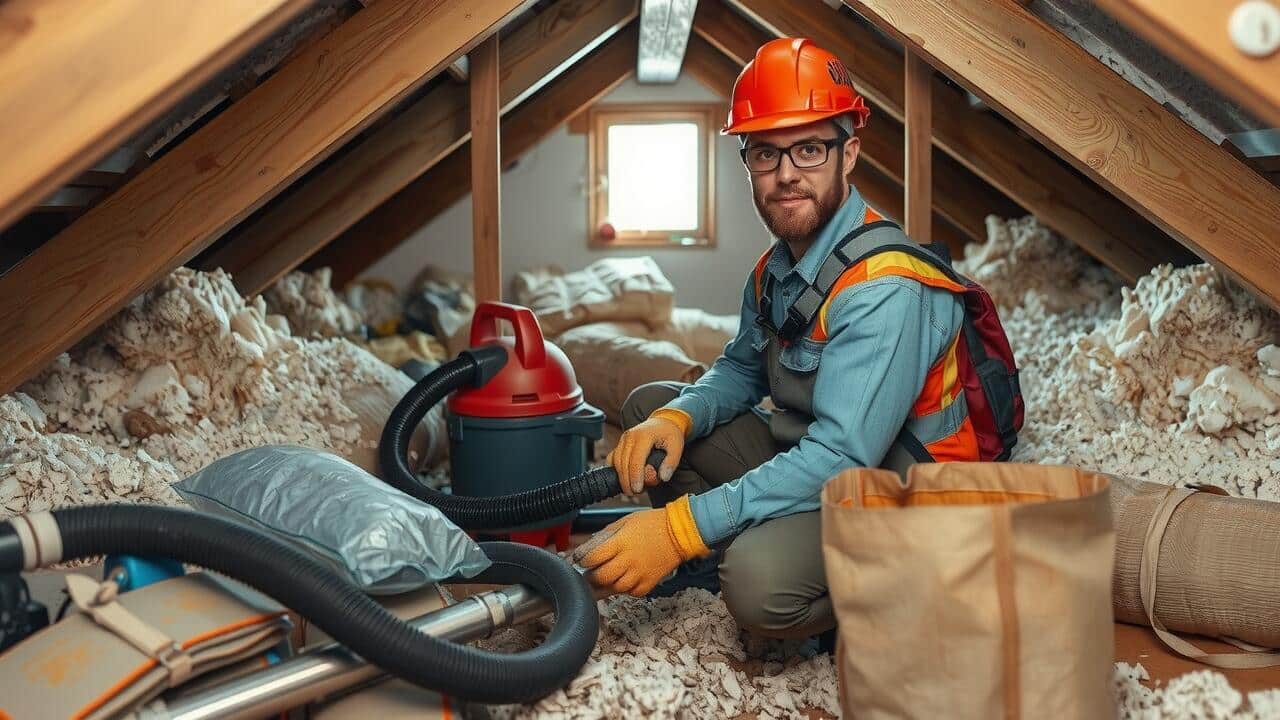
Additionally, complex installations or areas that are difficult to access, like attics or crawl spaces, may challenge even the most determined DIYers. In such cases, professionals can efficiently navigate tight or awkward spaces, ensuring thorough removal without damage to the surrounding structure. Evaluating the scope of the task at hand can help you determine whether professional assistance for insulation removal is the best option for your situation.
Cost Factors in Insulation Removal
Cost factors in insulation removal can vary significantly based on several variables. The type of insulation being removed plays a crucial role in determining the overall cost. For instance, removing fiberglass insulation often requires different techniques compared to dealing with older materials like vermiculite or cellulose. Additionally, the size of the area that needs work will influence the labor required and ultimately affect the cost.
Equipment and disposal fees also contribute to the overall expenses associated with insulation removal. If specialized equipment is needed for safe removal, these costs will add up. Property owners need to consider the disposal methods since some materials must be handled with care due to potential health hazards. Understanding these financial factors can help in planning for insulation removal more effectively.
Budgeting for Your Insulation Project
When planning your insulation removal project, it is crucial to consider the overall cost involved. Factors such as the type of insulation, the size of the area, and the level of difficulty in removing the material can greatly impact expenses. You may also need to budget for disposal fees that vary by location. Researching local regulations and potential permits required for safe insulation disposal is a wise step to take.
If you decide to hire professionals for insulation removal, include their fees in your budget. Professional services often provide efficient removal and disposal, which can save you time and reduce potential hazards. Comparing quotes from multiple contractors can help you find the best deal while ensuring quality service. Taking the time to assess your budget will lead to a smoother insulation removal experience.
FAQS
What is the easiest way to remove insulation?
The easiest way to remove insulation typically involves using a combination of protective gear, such as gloves and masks, and manual tools like a utility knife or insulation knife. For larger projects, considering professional help can greatly simplify the process.
Can I dispose of insulation in my regular trash?
No, most insulation materials cannot be disposed of in regular trash due to their potential environmental hazards. It’s important to follow local regulations for disposing of insulation waste, which may include recycling or taking it to a designated disposal facility.
What are eco-friendly options for insulation disposal?
Eco-friendly options for insulation disposal include recycling programs specifically designed for insulation materials, such as fiberglass or cellulose. Additionally, some companies offer take-back programs to ensure proper recycling and disposal.
When should I consider hiring a professional for insulation removal?
You should consider hiring a professional for insulation removal if the project involves large areas, hazardous materials (like asbestos), or if you’re unsure about safely removing and disposing of the insulation. Professionals ensure compliance with safety regulations and effective removal.
What factors influence the cost of insulation removal?
The cost of insulation removal can be influenced by several factors, including the type and amount of insulation being removed, the size of the space, any hazardous materials present, and whether you hire professionals or handle the removal yourself. Budgeting for these factors is crucial for your insulation project.
