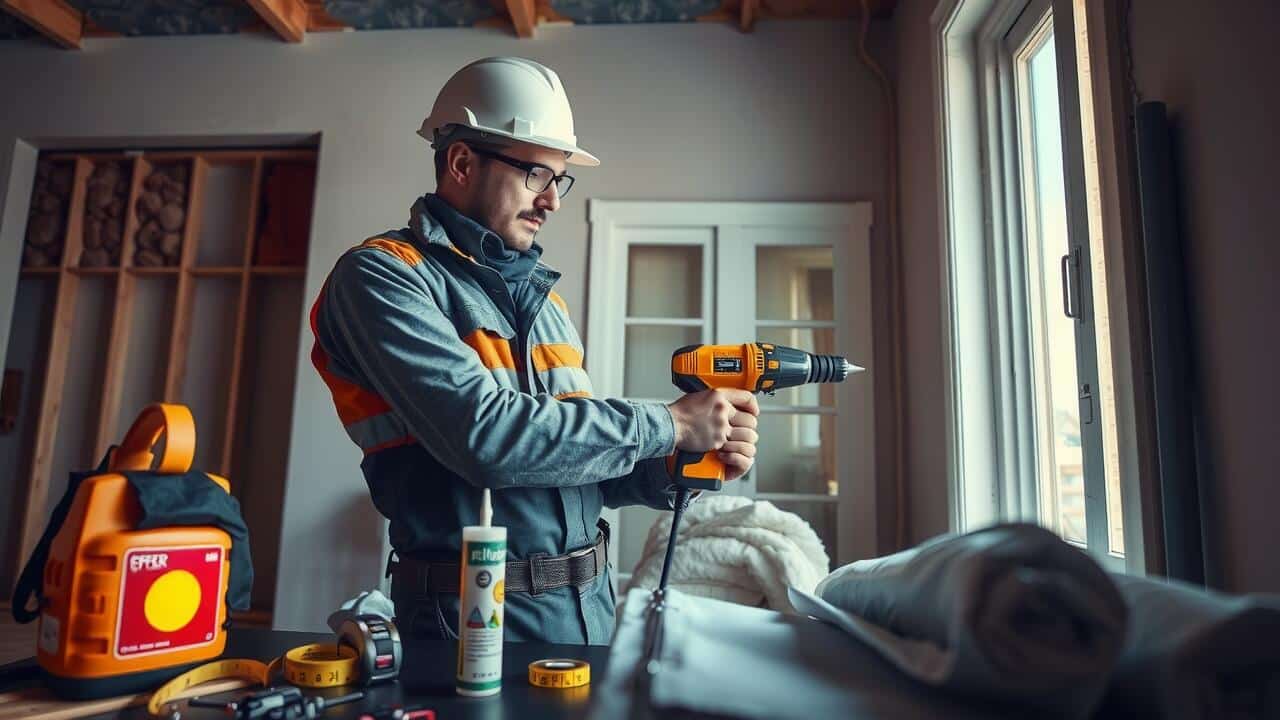
At Express Attic Insulation in Spring, TX, we specialize in air sealing services that enhance your home’s energy efficiency and comfort. Our expert team is dedicated to identifying and sealing gaps, leaks, and cracks in your home’s structure, which can lead to significant energy loss and increased utility bills. By effectively sealing these air leaks, we help maintain a consistent indoor temperature, reduce drafts, and improve the overall air quality in your living space. With our quality materials and precision techniques, we ensure that your home remains cozy and energy-efficient year-round, ultimately saving you money and providing peace of mind. Choose Express Attic Insulation for professional air sealing that makes a difference.
Cost Considerations for Air Sealing
Investing in air sealing can require upfront costs that vary significantly based on the size of the home and the approaches utilized. Common methods include the use of caulk, weatherstripping, spray foam, and other materials to effectively create an airtight barrier throughout the building envelope. While homeowners may initially hesitate due to these costs, it’s essential to recognize that state and local rebates can help offset expenses. Utilizing energy-efficient solutions can also lead to reduced utility bills over time, which often more than compensates for initial expenditures.
Homeowners might overlook how air sealing significantly contributes to energy efficiency. Proper sealing minimizes air infiltration, reducing the strain on heating and cooling systems, which can lead to longer lifespans for HVAC units and decreased maintenance expenses. Additionally, an airtight home minimizes moisture intrusion and related issues like mold and dust, further lowering long-term costs associated with repairs and health concerns. An investment in air sealing, therefore, not only enhances comfort but also improves overall aesthetic and functional value in the home.
Analyzing Upfront Costs vs. Long-term Savings
Investing in air sealing can involve various upfront costs, especially when considering high-quality materials and professional services like blower door tests. Homeowners may decide to use spray foam insulation or caulking guns to seal areas around window frames, electrical outlets, or baseboards. While these expenditures might seem daunting at first, they pave the way for significant energy savings over time. Proper sealing minimizes heat loss and keeps heating and cooling systems functioning efficiently, ultimately reducing fuel expenses and energy bills.
Long-term savings from air sealing extend beyond mere cost reduction. A well-sealed home can help manage indoor air quality by minimizing outdoor allergens and controlling humidity levels, which is particularly beneficial in climates with extreme temperatures. This can lead to a healthier living environment, reducing the risks of mold growth and other air quality-related issues. Homeowners may also notice an increase in comfort due to more stable indoor temperatures, making their investment in air sealing one that pays dividends for years to come.
Air Sealing and Indoor Air Quality
Effective air sealing has a significant impact on indoor air quality. A properly sealed home minimizes the entry of outside pollutants, dust, and allergens, which can drastically improve the living environment. The U.S. Department of Energy emphasizes that reducing air leaks helps control humidity levels and prevents the accumulation of moisture. Managing humidity is essential, as excessive moisture can lead to problems like condensation, mildew growth, and even structural damage to sheathing and insulation materials.
Additionally, air sealing plays a crucial role in managing the operation of HVAC systems. By preventing unintended air exchanges, homes can maintain a consistent temperature more efficiently, ultimately leading to energy savings. When homes are properly air sealed, heating systems and air conditioners function optimally, helping to reduce wear and tear on equipment. Moreover, this efficiency minimizes the chance of backdrafting, allowing combustion gases from appliances to vent properly and enhancing overall indoor air safety.
Managing Humidity and Ventilation
Maintaining optimal humidity levels is essential for indoor air quality and overall comfort in a home. When air sealing is an integral part of the insulation strategy, it can inadvertently affect the humidity balance. Without proper ventilation, excessive moisture can accumulate, leading to mold growth and potential damage to building materials. Using a combination of mechanical systems, such as HVAC and natural ventilation avenues, ensures that indoor humidity is effectively managed, creating a healthier living environment.
Ventilation systems should be designed to work harmoniously with sealed spaces. Energy-efficient designs help regulate air flows while maintaining temperature. Strategies like utilizing heat recovery ventilators (HRVs) can help exchange stale indoor air for fresh outdoor air without significant heat loss. Additionally, incorporating vapor barriers and careful placement of insulation materials enhances the thermal envelope, aiding in temperature and humidity regulation. Monitoring indoor air quality through specialized tools ensures these systems function efficiently in maintaining a comfortable and healthy home.
Assessing Your Home’s Air Leakage
Understanding air leakage in your home is crucial for maintaining comfort and energy efficiency. An effective way to assess this is through a comprehensive energy audit. This process typically involves inspecting areas like window frames, wall outlets, and gaps around electrical cables to identify potential air entry points. Tools such as a blower fan can help detect leaks by creating a pressure difference, revealing invisible openings. Infrared cameras can also play a significant role, allowing homeowners to visualize temperature variations that indicate where heat loss occurs.
Inspecting specific areas is essential, especially in parts of the home that tend to be more prone to air leakage. Locations such as basements, crawlspaces, and around flues in garages often present significant challenges. The Environmental Protection Agency highlights the importance of sealing these leaks to improve indoor air quality and manage humidity levels effectively. By addressing these gaps, homeowners can combat issues like mildew growth and backdrafting from appliances, ensuring a healthier and more energy-efficient indoor environment.
Conducting a Comprehensive Energy Audit
A comprehensive energy audit serves as the foundational step in identifying areas of air leakage within a home. Trained professionals can utilize thermal imaging cameras, smoke pencils, or incense sticks to visualize airflow patterns and detect drafts. These methods pinpoint crevices around windows, doors, and walls where air can escape. By focusing on potential leaks, homeowners can effectively assess their insulation’s airtightness and determine the need for repairs or enhancements.
The audit process often reveals critical insights about a home’s overall energy efficiency and indoor air quality. It may also highlight dampness issues that can lead to mold growth and other health risks. Furthermore, understanding how the heating system functions in relation to combustion air can guide necessary upgrades while ensuring compliance with safety standards. Conducting an audit not only identifies immediate areas for improvement but can also pave the way for long-term savings through informed decisions on insulation and weatherization measures.
FAQS
What is air sealing and why is it important?
Air sealing is the process of sealing gaps and cracks in a building’s envelope to prevent air leakage. It is important because it enhances energy efficiency, reduces heating and cooling costs, and improves indoor air quality.
How can air sealing impact my home’s energy efficiency?
Air sealing can significantly reduce energy loss by minimizing drafts and heat exchange, which leads to lower energy bills and a more comfortable living environment.
What are the upfront costs associated with air sealing?
Upfront costs for air sealing can vary depending on the size of your home and the extent of the work needed. However, these costs are often outweighed by long-term savings on energy bills.
How does air sealing improve indoor air quality?
Air sealing helps manage humidity levels and reduces the entry of outdoor pollutants, dust, and allergens, leading to healthier indoor air quality.
What steps should I take to assess my home’s air leakage?
To assess your home’s air leakage, you can conduct a comprehensive energy audit, which typically includes blower door tests and thermal imaging to identify areas of air loss.