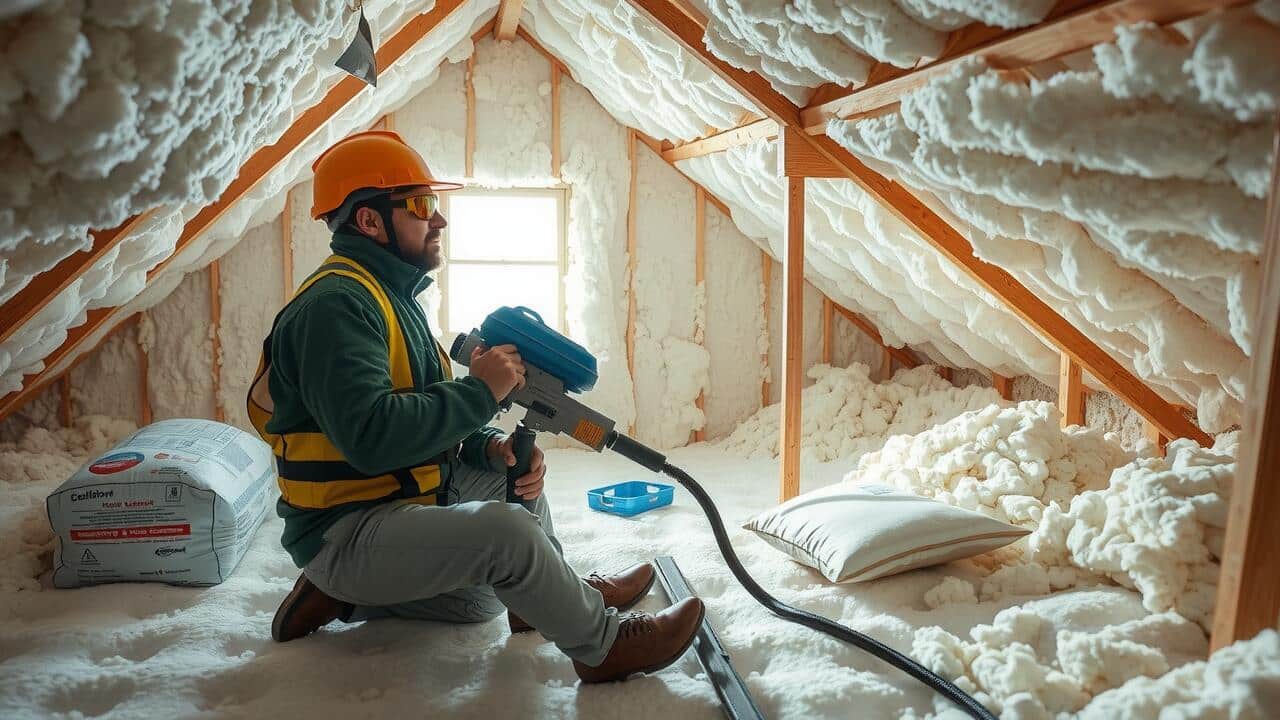
At Express Attic Insulation Spring TX, we specialize in providing top-notch blown-in insulation services designed to enhance the energy efficiency of your home. Our expert team utilizes high-quality materials to ensure an even distribution of insulation throughout your attic space, effectively reducing heat transfer and minimizing energy costs. Blown-in insulation is particularly beneficial for its ability to fill gaps and hard-to-reach areas, ensuring comprehensive coverage that traditional insulation methods may miss. With our commitment to exceptional service and customer satisfaction, we help homeowners create a more comfortable living environment while contributing to energy savings and sustainability. Trust Express Attic Insulation to keep your home efficient and cozy year-round!
DIY Blown-In Insulation
DIY blown-in insulation can be an appealing option for homeowners looking to tackle energy efficiency projects without the expense of hiring a professional. This method often involves using a blowing machine to distribute insulation materials, such as cellulose or fiberglass, into attics and crawl spaces. Proper preparation is crucial, including sealing any gaps or leaks with caulk to prevent air infiltration. Adequate safety measures should be taken, as this process can involve working in confined spaces and handling insulation materials that might irritate the skin or respiratory system.
Using tools like a hose and blower makes it easier to achieve even coverage, but be mindful of the recommended depth for optimal thermal resistance. Plan the project in stages to avoid being overwhelmed, especially if the area to insulate is large. Also, it’s important to check local building codes and guidelines, as some regions may have specific requirements regarding the type and amount of insulation permissible. Understanding your climate can help in choosing the right material, whether that be cellulose, fiberglass insulation, or mineral wool.
Pros and Cons of DIY Installation
Embarking on a DIY blown-in insulation project can offer significant cost savings for homeowners, particularly those who have some experience with home improvement tasks. The ability to purchase materials from local stores like Home Depot or Ace Hardware allows for flexibility in budgeting. Admittedly, this approach can also provide a sense of accomplishment as one transforms their living space into a more energy-efficient environment. It’s worth noting that individuals can take advantage of tax credits for improving energy efficiency, which can further enhance the financial benefits of this endeavor.
However, there are potential drawbacks that can arise from attempting to tackle this job independently. Effective installation requires an understanding of R-values and the proper methods to ensure even distribution throughout walls and ceilings. Without proper techniques, issues such as mold growth and leaks can jeopardize the integrity of the insulation. Additionally, the lack of professional expertise may lead to inadequate soundproofing or insulation against drafts, which could defeat the initial purpose of the project. Lastly, safety considerations like wearing protective gear to guard against irritants in insulation materials are critical and can be easily overlooked.
Hiring a Professional Insulation Contractor
When considering blown-in insulation, hiring a professional can ensure a seamless installation process tailored to your home’s specific climate zone and structure. Experienced contractors often utilize high-quality materials, such as Owens Corning products, which enhance thermal protection and sound absorption. They are familiar with local building codes and regulations, ensuring compliance and optimal performance. This expertise can significantly reduce the risk of issues, such as mold development and inadequate insulation, which can lead to increased energy costs and discomfort.
Choosing the right contractor involves verifying qualifications, including licensing and insurance, to protect against liability. Look for an insulation specialist who has positive reviews and testimonials, indicating a strong track record in the industry. Inquire about their techniques and the type of insulation they recommend, such as biodegradable options or advanced aerogel products. A good contractor will also provide an upfront estimate and be transparent about the materials and processes used, giving you confidence in your investment for long-term energy efficiency and comfort.
What to Look for in a Contractor
When searching for a reliable insulation contractor, first assess their experience and qualifications. Look for contractors who specifically focus on blown-in insulation, as this specialization can indicate a deeper understanding of the materials and methods required. It’s also vital to check their credentials and reviews. These resources can provide insight into the contractor’s previous work and client satisfaction, helping to ensure you’re making an informed choice.
Additionally, ensure that the contractor is fully licensed and insured. This not only protects you from potential liabilities during the installation process but also demonstrates that they adhere to industry standards and regulations. Transparency in pricing and a clear understanding of the insulation values they are installing are also essential. An experienced contractor should be willing to discuss the various options available, such as foam insulation, fiberglass batt, or wool insulation, and how each can provide thermal protection and energy savings based on your specific needs.
Maintaining Your Blown-In Insulation
Blown-in insulation requires regular maintenance to ensure effectiveness and longevity. Over time, factors such as settling, moisture, and pest activity can impact its performance. Homeowners should periodically inspect their insulation for visible signs of wear or damage. Pay attention to areas like crawl spaces and attics where airflow issues can lead to reduced insulation effectiveness. Monitoring temperature fluctuations in different rooms can also help identify areas where the insulation may be compromised.
Regular check-ups not only enhance energy efficiency but also help in assessing the overall condition of your insulation. If you notice a significant drop in your home’s temperature regulation or an increase in energy costs, it may be time to schedule a professional inspection. Pest control measures might be necessary if you detect any signs of infestation. Keeping these factors in mind can aid in maintaining optimal insulation performance throughout the seasons.
Signs It’s Time for a Check-Up
Regular inspection of blown-in insulation is crucial for ensuring its effectiveness. A noticeable increase in heat loss during colder months or a significant rise in energy bills can indicate that your insulation is no longer performing optimally. Signs of settling or uneven distribution of insulation could compromise your home’s energy efficiency. Additionally, look for signs of moisture penetration or mold growth, as both can point to ventilation issues that need immediate attention.
Another important factor is the condition of the surrounding materials such as drywall, soffits, and roof trusses. If you observe water stains, peeling paint, or any other deterioration, these issues might be rooted in problems related to insulation. Conducting a thorough inspection allows you to identify areas that require patching or additional insulation. Always ensure you’re equipped with proper safety gear, like a particulate respirator and eye protection, when investigating these areas.
FAQS
What is blown-in insulation?
Blown-in insulation is a type of insulation material that is blown into walls, attics, and other spaces using specialized equipment. It provides thermal resistance and can help improve energy efficiency in a home.
Can I install blown-in insulation myself?
Yes, DIY blown-in insulation is possible, but it requires proper knowledge, equipment, and safety precautions. It’s important to weigh the pros and cons before deciding if it’s the right option for you.
What are the advantages of hiring a professional for blown-in insulation installation?
Hiring a professional insulation contractor can ensure proper installation, saving you time and potential mistakes. Professionals also have access to high-quality materials and the latest equipment, which can enhance the effectiveness of the insulation.
How do I know if my blown-in insulation needs maintenance?
Signs that your blown-in insulation may need a check-up include noticeable temperature fluctuations in your home, increased energy bills, or visible signs of moisture or pests in the insulation material.
What should I look for when hiring an insulation contractor?
When hiring an insulation contractor, consider their experience, customer reviews, proper licensing and insurance, as well as their willingness to provide a detailed estimate and answer any questions you may have.