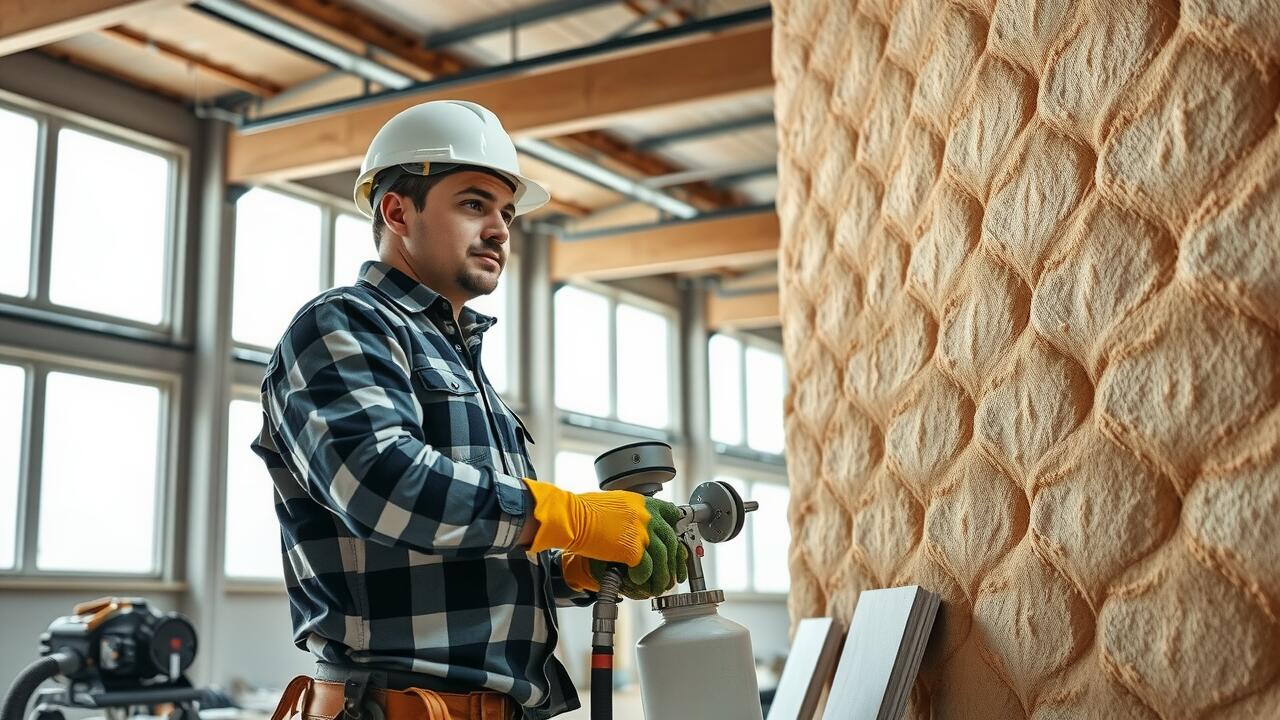
At Express Attic Insulation Spring TX, we specialize in providing top-notch commercial insulation services that are designed to enhance energy efficiency and comfort in various business environments. Our expert team understands the unique insulation needs of commercial spaces, whether it’s offices, warehouses, or retail establishments. We use high-quality materials and state-of-the-art techniques to ensure optimal thermal performance, helping businesses reduce energy costs and improve indoor air quality. With our commitment to excellence and customer satisfaction, Express Attic Insulation is your go-to partner for achieving a sustainable and comfortable workspace in Spring, TX.
Energy Efficiency and Cost Savings
Effective insulation plays a crucial role in enhancing energy efficiency for both residential and commercial buildings. Properly installed insulation materials, such as fiberglass batts, cellulose insulation, or spray foam, help regulate indoor temperatures by minimizing heat transfer. This leads to improved performance of HVAC systems and reduces energy consumption. Energy-efficient buildings can significantly lower utility bills, providing long-term savings that benefit both property owners and tenants alike.
Investing in quality insulation not only contributes to immediate energy savings but also increases the overall value of a property. Insulation with higher R-values provides greater thermal resistance, helping to maintain consistent temperatures year-round. The initial costs associated with high-performance insulation materials are often offset by the reduction in heating and cooling expenses. Moreover, energy-efficient structures may qualify for tax incentives or rebates, further enhancing their financial appeal in today’s climate-conscious market.
Long-Term Financial Benefits of Quality Insulation
Investing in high-quality insulation can lead to significant long-term financial advantages. Improved thermal resistance reduces energy consumption, allowing businesses to save on heating and cooling costs. Insulated buildings can maintain a more consistent internal climate, which minimizes reliance on HVAC systems. Enhanced insulation materials, such as closed cell foam and calcium silicate, offer superior performance compared to traditional options. These improvements directly contribute to lower utility bills and increased comfort for occupants.
In addition to immediate savings, businesses benefit from the longevity of quality insulation. Materials designed to withstand various climates, such as open cell foam or PIR, reduce the need for frequent replacements or repairs. Well-insulated structures can also enhance property values over time. Compliance with building codes and regulations further mitigates the risk of costly fines or necessary modifications. By prioritizing effective insulation solutions, companies can promote not only financial health but also contribute positively to the environment by reducing their carbon footprint.
Insulation Requirements and Building Codes
Adhering to local insulation requirements and building codes is essential for compliance and safety in construction projects. These codes often reflect standards set by the International Energy Conservation Code (IECC) and other regulations, which aim to enhance energy efficiency and reduce environmental impact. Specific guidelines may dictate insulation R-values, which measure resistance to heat flow. These regulations can vary widely by region, often influenced by climate conditions, necessitating a thorough understanding of local mandates.
In Oklahoma, for instance, builders must consider components such as wall insulation, roof assemblies, and crawl space applications when designing structures. Insulation types like wool insulation and blanket insulation play crucial roles in meeting these specifications. Understanding the nuances of these codes ensures that insulation not only meets safety standards but also contributes to improved energy consumption and indoor air quality. Proper implementation can lead to long-term benefits, including reduced energy costs and healthier living environments, aligning with trends in sustainable building practices.
Navigating Local Regulations for Compliance
Understanding local building codes is crucial for insulation contractors. Regulations often specify minimum R-values for various insulation types, including board insulation, fiberglass batt, and spray foams. Compliance with these standards not only ensures the safety and efficiency of the building envelope but also minimizes risk during inspections. Some regions may require specific certifications for insulation materials like expanded polystyrene or polyurethane. Staying updated on these guidelines is essential to maintain an efficient workflow and avoid costly modifications.
Contractors should also be aware of additional requirements that may affect installation practices. For instance, the integration of insulation with other building components such as windows, wiring, and HVAC systems must adhere to local codes. Proper installation practices can significantly improve thermal resistance and minimize heat loss. These aspects not only enhance energy conservation efforts but also contribute to overall indoor air quality in compliance with health standards. Engaging with local regulatory bodies or resources like Puget Sound Energy can provide valuable insights into maintaining compliance throughout the project lifecycle.
Insulation and Indoor Air Quality
Proper insulation plays a critical role in maintaining indoor air quality. Materials like fiberglass and cellulose can reduce air infiltration while providing effective barriers against dust and pollutants. These contaminants can enter through various building elements, such as joists and doors, emphasizing the importance of sealing leaks and gaps. Insulation made from composites, sheep’s wool, or eco-friendly fabrics can further enhance air purity. Selecting materials with low global warming potential contributes positively to the environment, integrating health benefits with sustainable practices.
Inadequate insulation can lead to moisture accumulation, which fosters conditions for mold and mildew growth. Water damage often results from leaks in roofs or poorly insulated areas, causing serious health risks for occupants. Effective insulation reduces the workload on heating and cooling systems, further improving indoor air quality by limiting the fluctuation of temperature and humidity. The connection between energy efficiency and improved air quality is evident, offering significant advantages for both health and energy consumption within various climate zones.
How Proper Insulation Improves Health
Quality insulation plays a crucial role in maintaining indoor air quality, significantly impacting the health of individuals in confined spaces. Proper installation creates an effective air barrier that reduces the infiltration of dust and allergens, providing a cleaner environment. In areas susceptible to moisture, such as crawl spaces, insulation can prevent issues like mold growth and ice dams, which can lead to respiratory problems. Employing materials like mineral wool or cellulose fiber can further enhance air quality while being environmentally friendly, ensuring safe living conditions for occupants.
Improper insulation not only raises energy consumption but can also contribute to various health concerns. Inadequate thermal performance leads to temperature fluctuations, directly affecting sleep quality and overall comfort. A well-insulated building prevents extremes in heating and cooling, creating a stable environment that promotes better rest and fewer health issues stemming from stress and discomfort. Regular inspections of insulation in attics, roofs, and walls ensure that air leakage is minimized, contributing positively to both energy savings and the wellbeing of those who inhabit the space.
FAQS
What is commercial insulation?
Commercial insulation refers to the materials and techniques used to reduce heat transfer in commercial buildings, enhancing energy efficiency and comfort.
Why is energy efficiency important for commercial buildings?
Energy efficiency is crucial for commercial buildings as it helps lower operating costs, reduces environmental impact, and improves the comfort of occupants.
What are the long-term financial benefits of investing in quality insulation?
Quality insulation can lead to significant cost savings on energy bills, decreased maintenance costs, and increased property value over time.
How do insulation requirements vary by location?
Insulation requirements can vary based on local building codes and regulations, which are influenced by climate, building design, and energy efficiency goals.
How can proper insulation improve indoor air quality?
Proper insulation can help prevent moisture buildup and mold growth, leading to improved indoor air quality and a healthier environment for occupants.