Table Of Contents
Installation Techniques for Pipe Insulation
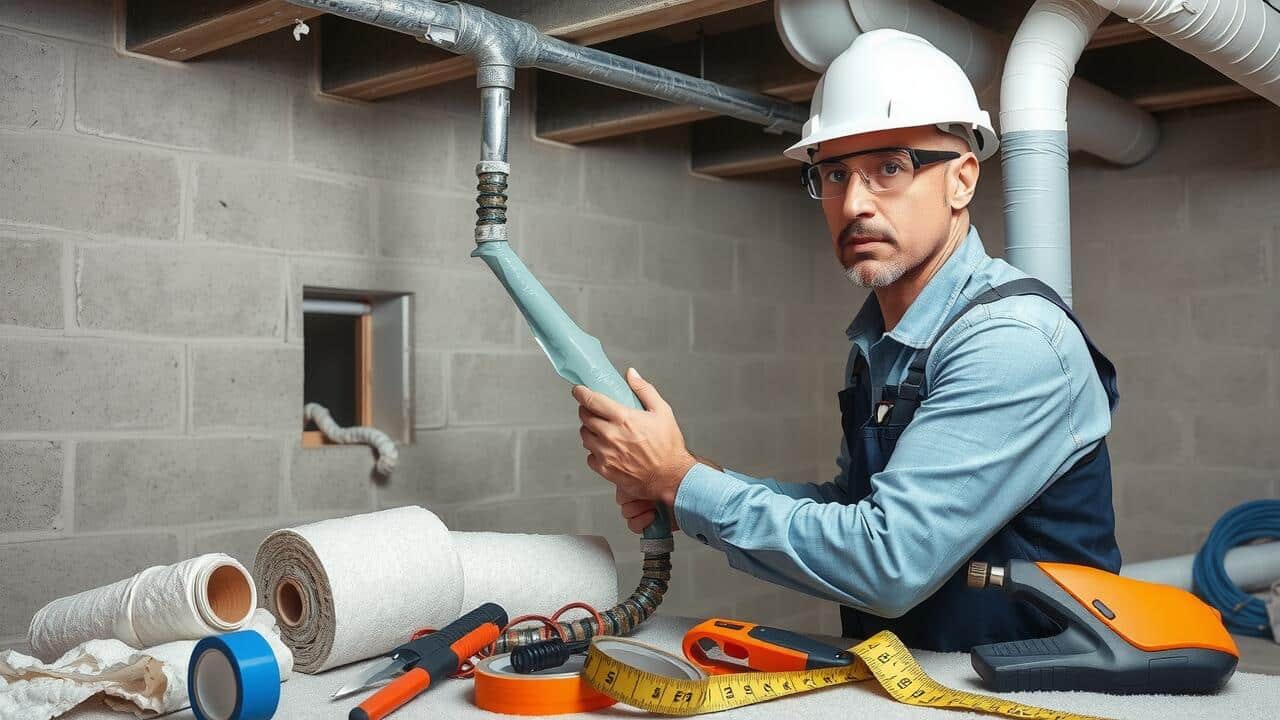
Pipe insulation installation begins with selecting the appropriate type of insulation material based on the specific needs of your pipes. Common options include fiberglass, foam, and rubber, each offering varying degrees of thermal resistance and moisture protection. Before starting the installation, ensure the pipes are clean and dry to promote proper adhesion and effectiveness of the insulation. Measure the pipes accurately to determine the lengths of insulation required, and cut the material using a sharp utility knife for a smooth edge.
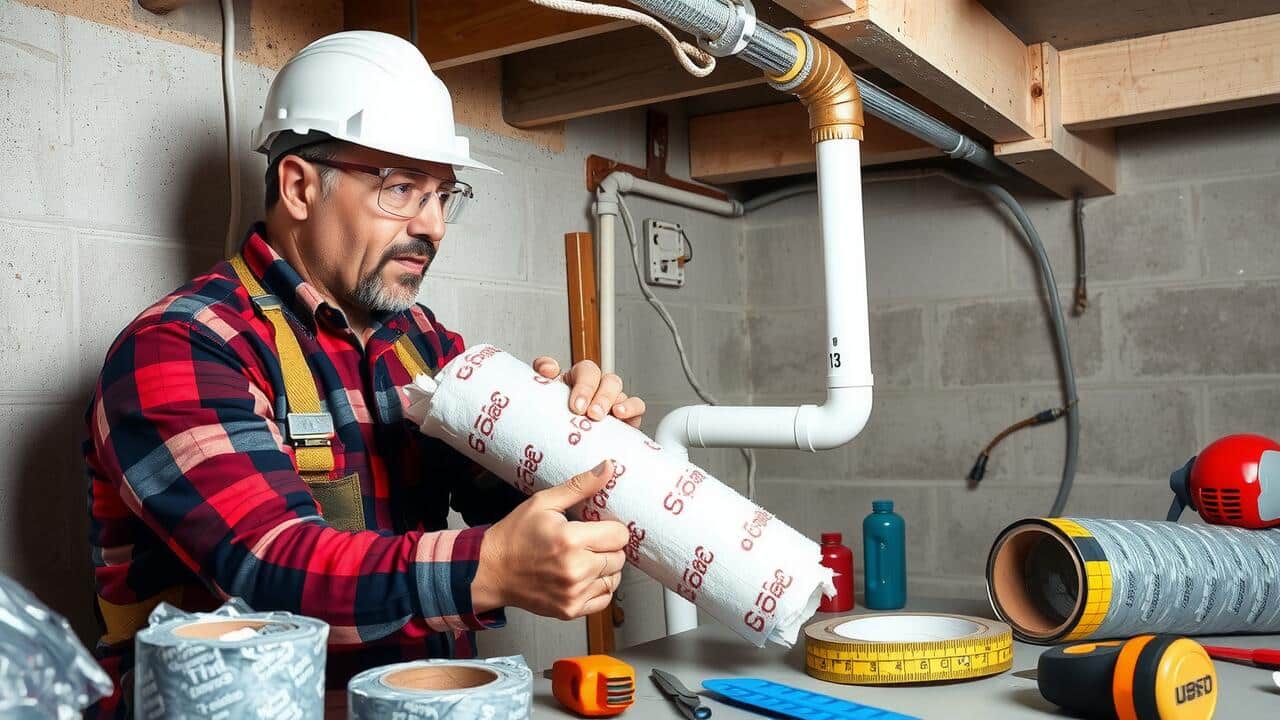
Once the insulation material is ready, it should be applied tightly around the pipes. Choose a method that fits the type of insulation being used; sliding sleeves over the pipes works well for pre-slit foam or rubber insulation. When using fiberglass, wrap it around the pipe and secure it in place with tape or wire. Air gaps can significantly reduce the efficiency of the insulation, so achieving a snug fit is essential to maximize benefits like energy savings and improved temperature regulation.
Steps for Ensuring a Secure Fit
Achieving a secure fit during pipe insulation installation is essential for maximizing thermal efficiency. First, measure the pipe’s diameter accurately. Choose insulation that matches these dimensions. While wrapping the insulation around the pipe, ensure it overlaps slightly to eliminate gaps. This will help maintain consistent temperatures and prevent energy loss.
Use adhesive tape or clamps to secure the insulation in place. Check for any loose ends and ensure that the insulation is snug against the pipe surface. It’s important to inspect the installation regularly. This helps to catch any deterioration or gaps early on, ensuring optimal performance throughout the year.
Energy Efficiency and Cost Savings
Proper pipe insulation installation plays a crucial role in enhancing energy efficiency within a home or building. By acting as a barrier against heat loss and gain, insulated pipes help to maintain optimal temperatures for both hot and cold water. When pipes are well insulated, less energy is required to heat or cool water, leading to significant reductions in energy consumption, especially in climates with extreme temperatures.
In addition to minimizing energy usage, effective pipe insulation installation can contribute to long-term cost savings on utility bills. Homeowners may notice a decline in heating and cooling costs, often translating into substantial savings over time. Investing in quality insulation materials and ensuring proper installation not only boosts energy efficiency but also helps protect pipes from damage associated with temperature fluctuations, further reducing maintenance costs.
How Insulation Affects Utility Bills
Proper pipe insulation installation can lead to noticeable reductions in energy consumption. When pipes are adequately insulated, they maintain consistent temperatures, reducing heat loss during colder months. This means less energy is needed to heat water and maintain comfortable indoor temperatures. Consequently, homeowners can see a significant decrease in their heating bills, contributing to overall savings.
Additionally, insulated pipes can help mitigate the risk of freezing in colder climates. Preventing pipe freeze damage not only saves on repair costs but also avoids the energy spike often associated with thawing and heating water in a frantic rush. By investing in pipe insulation installation, homeowners not only enhance energy efficiency but also help create a more cost-effective home environment over time.
Maintenance of Insulated Pipes
Proper maintenance of insulated pipes is essential for ensuring their longevity and effectiveness. Regular inspections can help identify signs of wear, damage, or moisture accumulation. If any insulation appears deteriorated or wet, replacing it promptly can prevent further issues. Keeping the insulation clean also promotes airflow and effectiveness, thereby enhancing its thermal properties and energy efficiency.
Pipe Insulation Installation plays a crucial role in insulating heating and cooling systems. Making sure that insulation remains tightly fitted reduces energy loss. If any gaps or loose sections are found, these should be addressed immediately. Ensuring that the entire length of the pipe is properly insulated allows for optimal performance of the plumbing system and minimizes energy waste over time.
Tips for Long-Lasting Insulation
To ensure the longevity of your pipe insulation, proper maintenance is essential. Inspect the insulation regularly for any signs of wear, damage, or moisture accumulation. Address any issues promptly to prevent further deterioration. Additionally, avoid exposing the insulation to direct sunlight or harsh chemicals, as these can compromise its effectiveness. A well-maintained insulated pipe can significantly enhance energy efficiency in your home or business.
During the pipe insulation installation process, selecting high-quality materials contributes to durability. Closed-cell foam and fiberglass are popular options known for their resilient properties. Ensure that the insulation hugs the pipe snugly without forcing it, as this can lead to premature wear. Using appropriate fasteners and sealing all seams will help maintain a strong barrier against heat loss or condensation. Investing time and resources in these practices can result in sustained performance and savings over time.
FAQS
Does pipe insulation need to be snug?
Yes, pipe insulation should fit snugly around the pipes to ensure that it effectively minimizes heat loss or gain, prevents condensation, and protects pipes from damage.
What are the consequences of loose pipe insulation?
Loose insulation can lead to energy inefficiencies, increased utility bills due to heat loss, potential condensation issues, and greater risk of pipe damage due to temperature fluctuations.
How can I ensure my pipe insulation fits securely?
To ensure a secure fit, measure the pipe diameter accurately, choose the right size insulation, and use adhesive or tape to seal any seams or gaps. Additionally, follow the manufacturer’s installation guidelines closely.
Is it necessary to replace insulation if it’s not snug?
If the insulation is not snug and has led to issues such as condensation or increased energy costs, it may be necessary to replace or re-install it properly to ensure maximum efficiency.
Can overly tight insulation cause problems?
Yes, if insulation is too tightly fitted, it can cause stress on the pipe, potentially leading to damage or leaks, particularly with pipes that expand and contract with temperature changes.