Table Of Contents
Additional Measures to Prevent Freezing
In addition to pipe insulation, homeowners can take several extra steps to reduce the risk of frozen pipes during cold weather. One effective method is to ensure that all areas within the home, particularly those near exposed pipes, are adequately heated. This can include allowing warm air to circulate in unheated spaces such as basements, crawl spaces, or attics. Additionally, sealing any drafts around windows and doors helps maintain a consistent temperature in these vulnerable areas.
Another valuable measure includes the use of heating cables or tape alongside pipe insulation. These products can provide targeted warmth to susceptible pipes, further protecting them from freezing temperatures. Homeowners should also consider letting faucets drip slightly during extreme cold spells. This trickle can keep water moving through the pipes, reducing the chances of freezing and potential pipe bursts.
The Role of Heating Cables
Heating cables serve as an effective way to combat freezing pipes in colder climates. These electrical wires wrap around or run alongside pipes, generating heat that prevents the water inside from freezing. When combined with pipe insulation, heating cables enhance the overall effectiveness of the insulation system. The warmth provided by the cables ensures a more consistent temperature throughout the pipes, reducing the risk of bursts or leaks caused by freezing conditions.
When selecting heating cables, it is important to consider factors such as the location of the pipes and the severity of winter temperatures. Proper installation is crucial to maximize their benefits and achieve optimal heat distribution. Systematically placed cables within or alongside well-insulated pipes can significantly enhance protection against freezing. Ultimately, a combination of pipe insulation and heating cables creates a comprehensive solution for preventing frozen pipes during harsh winter months.
Common Mistakes in Pipe Insulation
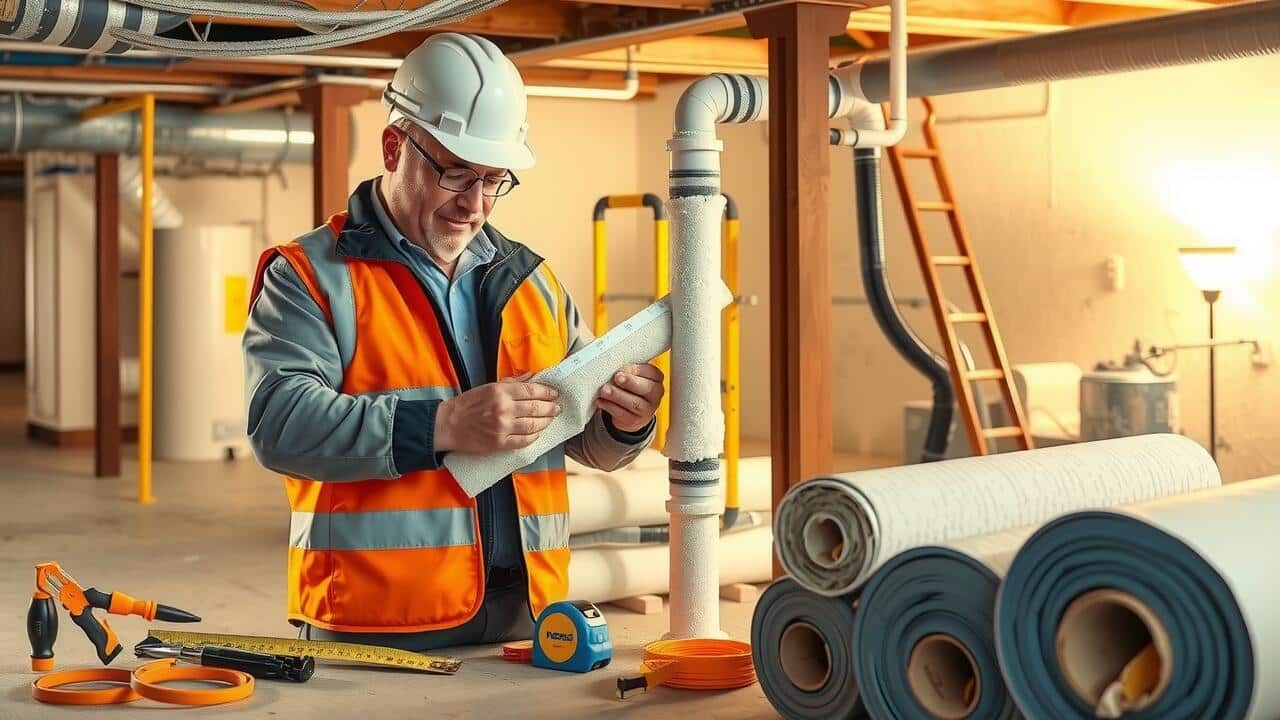
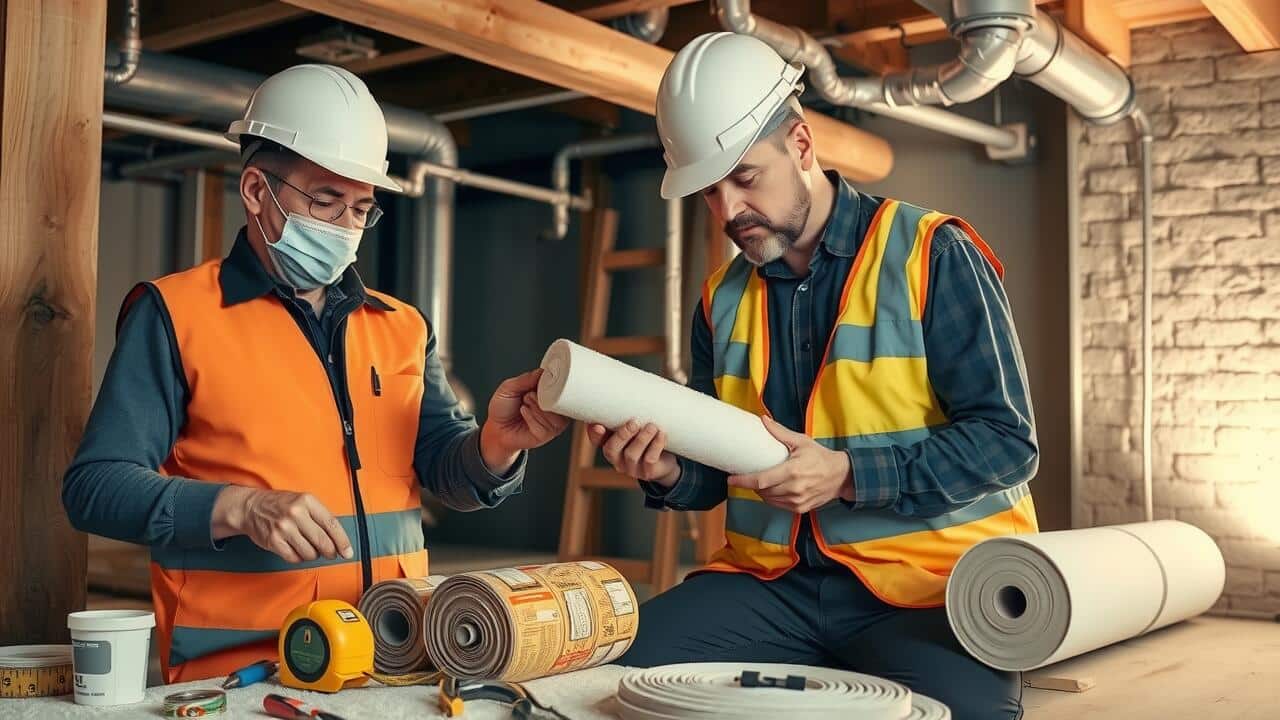
Many homeowners underestimate the importance of selecting the right materials for pipe insulation. Using inadequate or low-quality insulation can lead to ineffective protection against freezing temperatures. Additionally, covering the entire length of the pipe is crucial. Gaps or exposed sections can create vulnerabilities that allow cold air to reach the pipes, increasing the likelihood of freezing.
Another common mistake involves improper installation techniques. It is essential to ensure that the insulation fits snugly around the pipes without any compressions or deformations. Overlapping layers or using duct tape as a substitute for proper insulation tape can diminish the effectiveness of the pipe insulation. Proper sealing and securing can significantly enhance its capacity to provide thermal resistance during colder months.
Things to Avoid During Installation
When installing pipe insulation, it’s crucial not to apply it too tightly. Over-compression can reduce the insulation’s effectiveness, leading to gaps where heat can escape and cold air can infiltrate. This defeats the purpose of insulation, leaving pipes vulnerable to freezing temperatures. Additionally, ensure that the insulation is appropriately fitted, avoiding any overlaps that may create awkward thermal bridges. Ensuring a snug fit is essential, but it should not compromise the material’s intended function.
Another common mistake is neglecting to insulate all necessary sections of piping. Insulating only visible pipes and omitting those in less accessible areas can result in freezing in unprotected sections. Water supply lines hidden in cabinets or basements often require attention just as much as exposed pipes. When selecting pipe insulation, aim for comprehensive coverage to safeguard your entire plumbing system. Doing so will help prevent potential issues when winter temperatures plummet.
Assessing Your Insulation Needs
When considering pipe insulation, it is essential to evaluate the specific needs of your home. Factors such as climate, the location of pipes, and the type of buildings significantly impact insulation requirements. In colder regions, uninsulated pipes in unheated spaces are at a higher risk of freezing. Assessing areas where pipes are exposed to extreme temperatures can help determine the best insulation materials and methods to use.
Insulation thickness is another important aspect to consider. Thicker insulation typically provides better protection against freezing but may not always be necessary. Homeowners should also evaluate the cost versus benefit of various insulation options. Understanding which pipes are most vulnerable and ensuring they have adequate pipe insulation can prevent costly damage during freezing temperatures.
Factors to Consider for Your Home
When assessing your insulation needs, start by considering the climate where you live. Areas that experience harsh winters require more robust solutions than regions with milder temperatures. The outdoor temperature can significantly impact how well your pipes are protected. Evaluate your home’s exposed areas, such as attics, basements, or crawl spaces, where pipes are vulnerable to frost.
Another factor is the type of plumbing in your home. Different materials, such as copper or PVC, may react differently to cold conditions. Look for any signs of existing pipe damage or areas where freezing has occurred in the past. This assessment helps in deciding how much Pipe Insulation is necessary to properly shield your plumbing system from cold weather challenges.
FAQS
Does pipe insulation completely prevent pipes from freezing?
While pipe insulation significantly reduces the risk of freezing by providing a thermal barrier, it does not guarantee that pipes will not freeze under extreme conditions, especially if temperatures drop drastically or if insulation is improperly installed.
What additional measures can I take to prevent my pipes from freezing?
In addition to pipe insulation, you can use heating cables, keep a slow drip of water running through faucets, open cabinet doors to allow warm air to circulate, and maintain a consistent indoor temperature during cold weather.
Are there any common mistakes people make with pipe insulation?
Yes, common mistakes include not fully covering all exposed pipes, using the wrong type of insulation material, or failing to secure the insulation properly, which can reduce its effectiveness.
How do I assess my insulation needs for pipes in my home?
To assess your insulation needs, consider factors such as your local climate, the location of your pipes (especially those in unheated areas), and the age of your home, as older structures may require more attention to insulation.
Can heating cables help in preventing pipe freezing?
Yes, heating cables can provide additional warmth to pipes, especially in vulnerable areas, helping to prevent freezing during extreme cold weather when used alongside proper insulation.