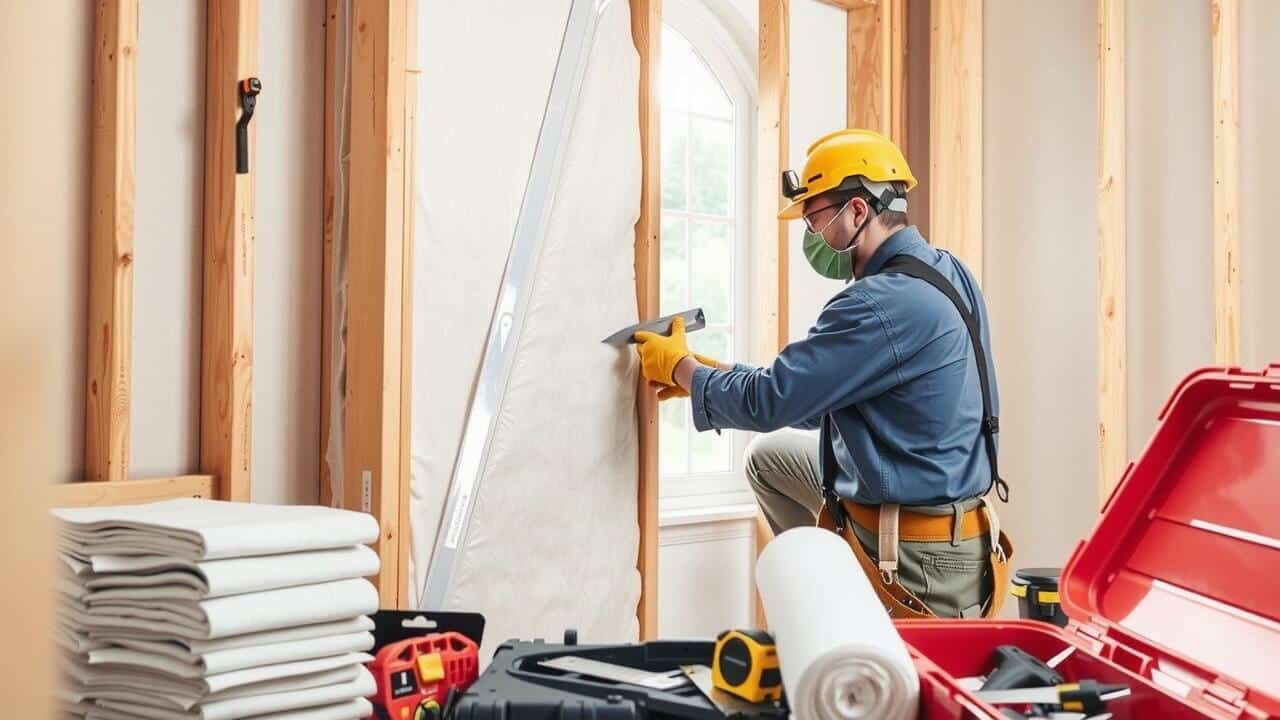
At Express Attic Insulation in Spring, TX, we specialize in providing high-quality fiberglass wall insulation that enhances the energy efficiency of your home or business. Our fiberglass insulation solutions are designed to effectively reduce heat transfer, keeping your interiors comfortable year-round while helping to lower energy bills. We utilize top-grade materials and follow industry best practices to ensure a seamless installation process, tailored to meet the specific needs of your walls. With our expert team, you can expect superior craftsmanship and attention to detail, ensuring that your property remains well-insulated and energy-efficient for years to come. Trust Express Attic Insulation to make your space more comfortable and sustainable with our premium fiberglass wall insulation services.
Performance Features of Fiberglass Insulation
Fiberglass insulation offers exceptional thermal resistance, effectively minimizing heat transfer in both hot and cold climates. This characteristic is crucial for maintaining comfortable indoor temperatures while reducing energy costs associated with heating and cooling systems. Various forms, such as batts and blankets, provide flexibility for different applications like attics, basements, and crawl spaces. These insulation materials are also available in different thicknesses, allowing for customized solutions that adhere to building codes and specific project requirements.
In addition to thermal benefits, fiberglass insulation contributes to soundproofing, making it a popular choice in residential and commercial spaces alike. It can significantly reduce noise transmission between rooms or from external sources, enhancing overall comfort. Fire resistance is another key feature, with products designed to limit flame spread and smoke development, thus improving safety. Some manufacturers, like Owens Corning and Knauf Insulation, provide solutions with moisture-resistant properties, further extending the lifespan and effectiveness of the material.
Fire Resistance and Sound Control
Fiberglass insulation stands out for its impressive fire resistance properties. Made from glass fibers, it can withstand high temperatures and does not burn easily, offering a significant safety advantage in residential and commercial buildings. This characteristic is particularly beneficial in frame construction, where minimizing fire hazards is critical. Its ability to form a barrier against heat flow helps protect homes and other structures from the spread of flames, contributing to overall fire safety. Additionally, many manufacturers enhance fiberglass insulation with techniques that further bolster its fire-resistant qualities.
In terms of sound control, fiberglass insulation also excels. The material effectively dampens sound waves, making it an excellent choice for spaces where noise reduction is a priority, such as between walls and floors. This attenuation effect aids in privacy and comfort within homes. For garages or utility rooms, installing fiberglass insulation can help minimize sound transmission from machines or equipment, leading to a quieter living environment. The insulation’s density contributes to its soundproofing capabilities, ensuring that homeowners enjoy a serene atmosphere.
Environmental Impact and Certifications
Fiberglass insulation is primarily composed of recycled glass, which significantly reduces its environmental footprint compared to traditional insulation materials. The production process also involves advanced technology designed to minimize energy consumption. This sustainable approach contributes to a smaller overall impact on natural resources while enhancing durability. Using fiberglass can lead to lower energy costs over time due to its effective thermal performance, making it a popular choice among homeowners and contractors alike.
Certifications play a crucial role in assessing the environmental safety and performance of insulation products. Recognized standards such as Greenguard and ASTM help ensure that fiberglass insulation meets stringent criteria for indoor air quality and chemical emissions. These certifications can provide peace of mind for customers, especially in regions like Michigan, where homeowners often seek energy-efficient products that promote healthier living environments. Proper ventilation, along with sealants and housewrap, can further enhance the insulation’s effectiveness while reducing the risk of mold and allergens infiltrating a space.
Greenguard and Other Important Certifications
Certifications play a crucial role in determining the safety and environmental impact of insulation materials. Greenguard certification is one of the most recognized standards for low-emission building materials. Products that earn this certification meet strict chemical emissions limits, ensuring that they contribute to healthier indoor air quality. In addition to Greenguard, various other certifications exist, including Energy Star and the Forest Stewardship Council (FSC). These certifications help consumers identify sustainable insulation options that promote energy efficiency and minimize environmental harm.
Choosing insulation materials with reputable certifications can greatly enhance the energy efficiency and overall performance of a building. Insulations such as Owens Corning fiberglass batts, cellulose, and foam-in-place insulation often come with certifications that signify their effectiveness in reducing noise transmission and thermal loss. Specifications like the Sound Transmission Class (STC) rating further assist in selecting the right products based on noise reduction requirements. Responsible selection of these materials can lead to significant long-term savings on heating and cooling costs, contributing to an eco-friendly approach in construction and renovation projects.
Common Challenges in Insulation Installation
Installing insulation often presents unique challenges, particularly in tight or hard-to-reach spaces within a structure. Areas such as roofs, floor cavities, and wall cavities can complicate the installation process. Insulation contractors must employ various techniques and materials to ensure airtightness and avoid thermal bridging. Utilizing materials like fiberglass and closed-cell foam can enhance energy efficiency, but careful handling is necessary to optimize performance. Protective gear is essential during installation, especially when working with glass fibers, as they can irritate skin and lungs.
Another challenge is effectively managing the indoor air quality and moisture levels during and after the installation. Proper ventilation is crucial in preventing mold growth and maintaining a healthy living environment. Insulation materials such as rock wool and spray foam offer moisture resistance, yet they still require correct application techniques to prevent issues. A well-insulated building envelope can significantly reduce energy costs, but achieving this requires thorough planning and execution to address the complexities associated with various types of insulation.
Solutions for Tight or Hard-to-Reach Spaces
Installing fiberglass insulation in tight or hard-to-reach spaces can be challenging but not impossible. Utilizing prefabricated insulation batts that fit snugly between studs or joists can significantly simplify the process. These pre-cut pieces often adhere to fire codes and provide optimal R-value performance. For areas where traditional insulation methods fall short, spray foam insulation can also be an effective alternative. This solution expands upon application, filling gaps and forming a tight seal around plumbing and structural steel.
In addition to choosing the right material, proper safety measures are essential. Wearing a respirator, eye protection, and gloves prevents exposure to fine particles during installation. It’s important to use adhesive sealants where applicable to ensure that air quality remains uncompromised. Depending on the size and shape of the space, fiber glass insulation made from recycled materials or thermoplastics can also contribute to minimizing greenhouse gas emissions. Solutions that incorporate these aspects help maintain both safety and efficiency in insulation projects.
FAQS
What are the performance features of fiberglass insulation?
Fiberglass insulation is known for its excellent thermal resistance, sound control, and fire resistance. It effectively reduces heat transfer, keeping spaces warm in winter and cool in summer, while also minimizing noise transmission between rooms.
Is fiberglass insulation fire resistant?
Yes, fiberglass insulation is inherently fire resistant due to its non-combustible materials. It can withstand high temperatures and will not contribute to the spread of flames, making it a safe choice for residential and commercial buildings.
What environmental certifications should I look for in fiberglass insulation?
Look for certifications such as Greenguard, which indicates low chemical emissions and improved indoor air quality. Other important certifications may include those from the U.S. Green Building Council, which can help ensure sustainable building practices.
What are some common challenges when installing fiberglass insulation?
Common challenges include tight spaces, hard-to-reach areas, and ensuring a proper fit without gaps. These issues can lead to reduced insulation effectiveness and energy loss if not addressed properly.
What solutions are available for installing insulation in tight or hard-to-reach spaces?
Solutions include using smaller, pre-cut batts or rolls of insulation, spray foam insulation for better coverage, and flexible duct insulation to navigate around obstacles. It’s also helpful to use specialized tools designed for tight spaces to ensure a proper installation.