Table Of Contents
Comparing Radiant Barriers to Other Insulation Methods
Radiant barriers serve a unique purpose in the insulation landscape, particularly in hot climates. Unlike traditional insulation materials that slow down heat transfer, radiant barriers reflect radiant heat away from living spaces. This characteristic can lead to cooler indoor temperatures during warm weather, potentially reducing the reliance on air conditioning systems. In contrast, conventional insulation methods, such as fiberglass or foam, primarily work by slowing heat conduction, which can be effective but may not yield the same immediate temperature regulation benefits that radiant barriers provide.
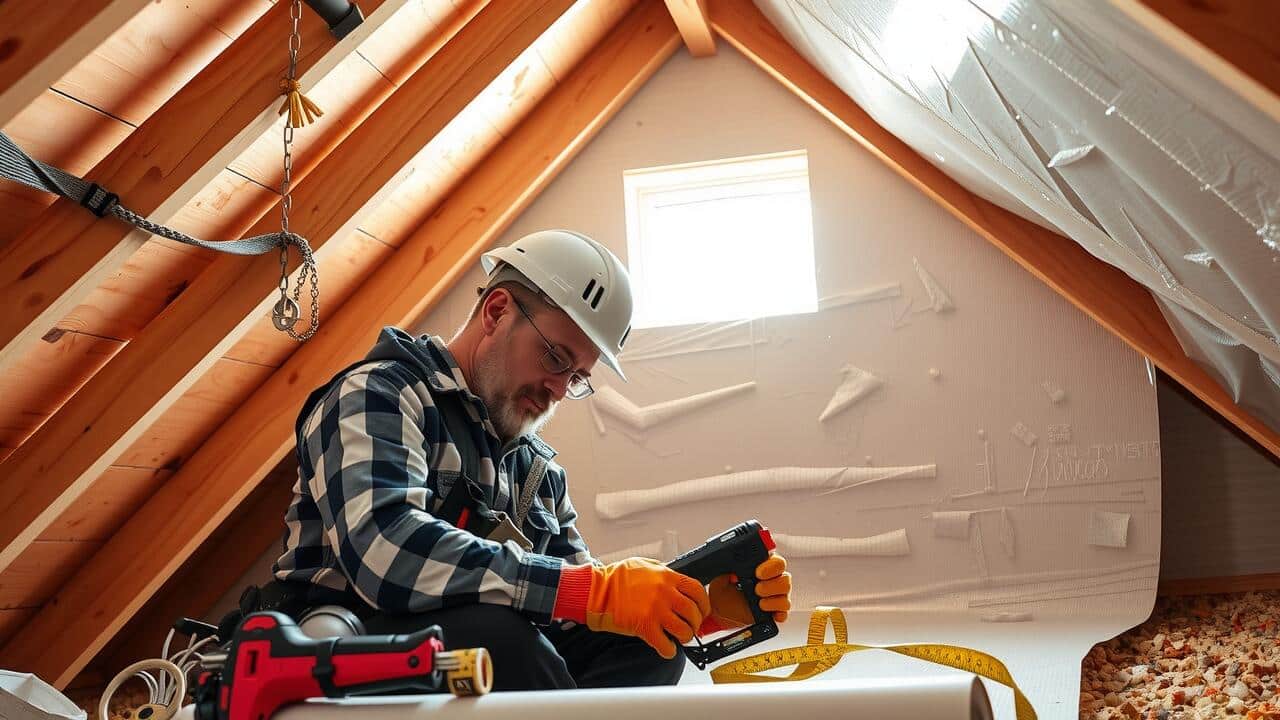
When considering radiant barrier installation, one must also take into account the cost and ease of retrofitting existing structures. Radiant barriers are generally simpler to install in attics and can be applied directly onto rafters or attic floors. Traditional insulation methods might require more extensive work, including removing existing materials or dealing with air sealing. The installation of radiant barriers can be a more efficient solution for homeowners looking to enhance energy efficiency without the mess associated with other insulation types.
How Radiant Barriers Stack Up Against Traditional Insulation
Radiant barriers operate differently than traditional insulation materials such as fiberglass or cellulose. Traditional insulation works by slowing down the transfer of heat, primarily through conduction. In contrast, radiant barriers reflect radiant heat away from living spaces, making them particularly effective in hot climates. This unique characteristic allows radiant barriers to keep attics cooler and reduce the overall temperature in the home, leading to potential energy savings during peak cooling seasons.
When considering radiant barrier installation, it’s essential to evaluate where your home is located and the local climate. Homes in warmer regions can benefit significantly from this type of insulation, especially if they experience intense sunlight. Traditional insulation can still play a vital role in homes, particularly in colder climates, where keeping heat inside during winter is crucial. The decision should be based on specific needs, energy efficiency goals, and how these two forms of insulation can work together to provide optimal comfort and savings.
Common Misconceptions About Radiant Barriers
Many homeowners believe that radiant barriers act as a standalone insulation solution. They think that installing a radiant barrier will entirely eliminate the need for traditional insulation materials. In reality, radiant barriers are most effective when used in conjunction with other forms of insulation. Their primary function is to reduce heat transfer by reflecting radiant heat, especially in attics where excessive heat can accumulate.
Another common misconception involves the installation process of radiant barriers. Some individuals assume that radiant barrier installation is a complex and costly endeavor. While professional installation can enhance performance, many radiant barriers are designed for easy DIY application. As long as the installation is done correctly, it can provide significant energy savings without necessitating a significant investment of time or money.
Debunking Myths Surrounding Their Use
Many people believe that radiant barriers are only beneficial in hot climates. This misconception overlooks their performance in varying environments. Radiant barriers can help reduce heat gain during the summer and minimize heat loss in colder months. Properly assessing local climate conditions can help determine their effectiveness beyond just warm weather.
Another common myth is that radiant barriers eliminate the need for any other insulation. In reality, they work best in conjunction with traditional insulation methods. Radiant Barrier Installation can enhance the overall energy efficiency of a home, but it should not replace conventional insulation. A well-rounded approach to insulation ensures optimal thermal performance throughout the year.
Maintenance Requirements for Radiant Barriers
Maintaining a radiant barrier is relatively straightforward. Once installed, these barriers require little to no ongoing upkeep. Dust and debris accumulation can affect their performance, so occasional cleaning may be necessary. Homeowners should ensure that the reflective surface remains unobstructed to maximize efficiency.
Radiant barrier installation positions these materials in areas where they can effectively block radiant heat. Proper ventilation in the attic and surrounding spaces contributes to the overall effectiveness of the barrier. Periodic inspections for any damage or deterioration are recommended to maintain optimal performance over time.
Keeping Your Radiant Barrier Effective
Radiant barrier installation often requires minimal maintenance to remain effective over time. Unlike traditional insulation that may settle or degrade, radiant barriers typically retain their properties without frequent intervention. Routine inspections can help identify any dust or debris accumulation that might reduce their performance. Cleaning these surfaces with a gentle cloth can ensure optimal reflection of radiant heat.
Additionally, ensuring that there are no obstructions around the radiant barrier is essential for maintaining its effectiveness. Any items blocking the airspace created by the barrier can hinder its functionality. Proper ventilation in the attic or installation space can further enhance the benefits. By keeping the area clear and ensuring adequate airflow, homeowners can maximize the thermal efficiency provided by radiant barrier installation.
FAQS
What is a radiant barrier?
A radiant barrier is a type of insulation that reflects radiant heat away from living spaces, typically installed in attics to help reduce cooling costs in hot climates.
How do radiant barriers compare to traditional insulation?
Radiant barriers work differently than traditional insulation. While traditional insulation slows down conductive heat transfer, radiant barriers reflect radiant heat, making them more effective in hot climates but less impactful in cold climates.
Are there any misconceptions about radiant barriers?
Yes, one common misconception is that radiant barriers are a complete replacement for traditional insulation. In reality, they work best when used in conjunction with other insulation methods to maximize energy efficiency.
What maintenance is required for radiant barriers?
Radiant barriers require minimal maintenance. To keep them effective, it’s important to ensure they remain clean and unobstructed by dust or debris, which can reduce their reflective properties.
Is installing a radiant barrier worth the investment?
Installing a radiant barrier can be worth the investment, particularly in warm climates, as it may lead to lower energy bills and increased comfort by keeping your home cooler. However, the overall value depends on your specific home conditions and energy needs.