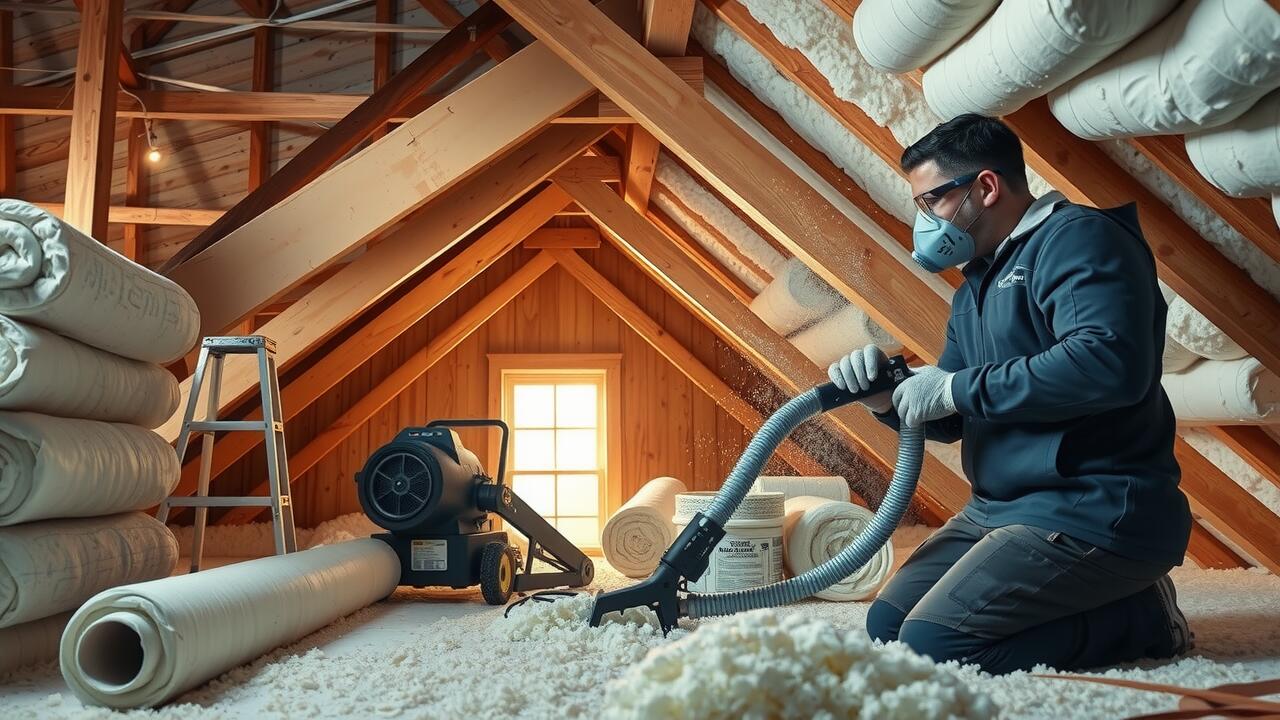
At Express Attic Insulation Spring TX, we specialize in blown fiberglass insulation, a highly effective solution for enhancing your home’s energy efficiency. This service involves the application of lightweight fiberglass particles, which are expertly installed in attics, walls, and other hard-to-reach areas to create a robust thermal barrier. Our blown fiberglass insulation not only helps to regulate indoor temperatures, reducing the burden on your HVAC system, but also minimizes energy costs and improves overall comfort. With our team of experienced professionals, you can trust that your insulation will be installed safely and efficiently, ensuring long-lasting performance and optimal energy savings for your home.
Common Applications for Blown Fiberglass Insulation
Blown fiberglass insulation is commonly used in various residential and commercial applications due to its effectiveness in providing thermal resistance. Attics are one of the most popular spaces for this type of insulation, as they often have irregular shapes and hard-to-reach areas that benefit from the blower application. Properly insulating an attic can significantly reduce energy costs by preventing heat loss in winter and keeping homes cooler in summer. Additionally, blown fiberglass insulation works well in crawl spaces and walls, where it can fill gaps and voids, ensuring a more efficient envelope for the structure.
In new construction projects, blown fiberglass insulation is often preferred for its quick installation and ability to conform to different building geometries. In existing homes, it serves as a great retrofitting solution, improving energy efficiency without extensive renovations. Its lightweight nature allows for easy handling, while its non-combustible properties add a layer of safety. With proper installation techniques, including adequate vapor barriers, the risk of moisture-related issues can be minimized, making it a reliable choice for various applications.
Ideal Spaces for Installation
Blown fiberglass insulation is often sought for its versatility in various residential and commercial applications. It is particularly effective when installed in attics, where heat rises and creates significant energy loss if left untreated. Properly insulating the ceiling can dramatically improve energy efficiency, leading to lower utility costs. Additionally, blown fiberglass excels in hard-to-reach spaces like wall cavities, making it suitable for retrofitting older homes or improving the energy performance of existing structures.
Garages also benefit from blown fiberglass insulation, especially in regions with extreme temperatures. Insulating these areas helps to maintain comfortable conditions and protect any items stored within. Moreover, the flexibility of blown fiberglass allows for easy application around obstacles such as electrical wiring and plumbing, ensuring comprehensive coverage. Homeowners in diverse geographical climates recognize the importance of adequate insulation to manage humidity and reduce the risk of moisture-related issues.
Moisture Management in Insulation Projects
Effective moisture management is crucial for ensuring the longevity and performance of insulation systems, particularly when using blown fiberglass insulation. The presence of moisture can lead to mildew, mold growth, and reduced thermal efficiency, which can compromise indoor air quality. Proper installation techniques play a key role in minimizing these risks, including adequately sealing air gaps and ensuring the insulation is applied at the correct density. Modern technology combined with moisture meters aids in identifying potential moisture issues before they escalate.
Homes located in high-humidity areas or those with existing moisture problems require meticulous planning and execution during insulation projects. Utilizing materials with low chemical emissions, such as formaldehyde-free fiberglass, can also enhance indoor air quality while addressing moisture concerns. Collaboration with local authorities having jurisdiction (AHJ) ensures compliance with fire codes and building regulations. By investing in quality insulation and adhering to best practices, homeowners can create a healthier living environment and reduce ongoing maintenance costs.
Preventing Moisture Issues with Proper Installation
Proper installation of blown fiberglass insulation is crucial to mitigate moisture issues that can compromise its effectiveness. When applying insulation in areas such as attics, crawl spaces, and basements, attention to detail is necessary. Installing vapor barriers can significantly prevent moisture from seeping in. Correctly sealing gaps and utilizing products designed for moisture management helps ensure that the insulation retains its R-values while combating potential humidity problems.
It’s essential to maintain adequate ventilation in insulated spaces to further reduce moisture accumulation. This may involve ensuring that crawl spaces and attics have sufficient airflow to prevent condensation buildup. Additionally, checking for any existing water issues and addressing them prior to installation will contribute to the overall health of the structure. Availability of various building supplies tailored to moisture management can greatly enhance the insulating value and longevity of fiberglass insulation, keeping indoor air quality at optimal levels.
Cost Considerations for Blown Fiberglass Insulation
When considering blown fiberglass insulation for your projects, it is essential to evaluate both material and labor costs. Pricing can vary significantly based on the brand and density of the insulation. Conventional options like CertainTeed, Johns Manville, and Rockwool provide different performance ratios that may impact overall expenses. While initial investment might seem high, the long-term energy efficiency benefits often justify the upfront costs. Additionally, careful calculations of square footage and depth of insulation required can help in predicting the total expenditure.
Another important factor to consider is the potential return on investment with proper installation. Blown fiberglass insulation often provides effective noise reduction alongside thermal management. Achieving airtightness within a space can minimize conductive heat transfer, leading to lower energy bills. While labor fees will vary depending on contractor expertise, investing in skilled professionals can mitigate future risks associated with improper installation, such as mold growth or indoor air quality issues. Prioritizing knowledge and experience during the selection of an insulation contractor can result in significant savings in the long run.
Labor and Material Costs Overview
When considering blown fiberglass insulation, understanding the cost breakdown is essential for homeowners and contractors alike. Labor costs can vary significantly based on the complexity of the job and the specific climate zone of the installation area. Most professionals charge per square footage, often incorporating factors like accessibility and existing structural conditions. Material costs will include the fiberglass itself, often sold in bags or bulk, alongside any necessary equipment, such as blowers and protective gear.
In addition to discussing price per square foot, it’s important to factor in the long-term energy savings that blown fiberglass insulation can provide. When installed effectively, it contributes to maintaining comfortable indoor temperatures, potentially lowering energy bills. Evaluating these costs against the benefits, such as improved air quality and reduced allergens, can inform better decision-making. Homeowners may also look into various brands, such as Knauf, to compare prices and performance attributes, ensuring a cost-effective investment.
FAQS
What are the common applications for blown fiberglass insulation?
Blown fiberglass insulation is commonly used in attics, walls, and floors of residential and commercial buildings to enhance thermal performance and energy efficiency.
What are the ideal spaces for installing blown fiberglass insulation?
Ideal spaces for installation include attics, crawl spaces, and wall cavities, particularly in areas that require additional insulation for temperature regulation and energy conservation.
How can moisture issues be prevented during insulation projects?
Moisture issues can be prevented by ensuring proper installation techniques, including maintaining adequate ventilation, using vapor barriers, and sealing any air leaks that could allow moisture to enter.
What are the labor and material costs associated with blown fiberglass insulation?
Labor and material costs for blown fiberglass insulation can vary widely based on location, the size of the project, and specific installation requirements. On average, homeowners can expect to pay between $1 to $2 per square foot for materials and labor combined.
Is blown fiberglass insulation environmentally friendly?
Yes, blown fiberglass insulation is considered environmentally friendly as it is made from recycled glass and does not promote mold growth, contributing to a healthier indoor environment.