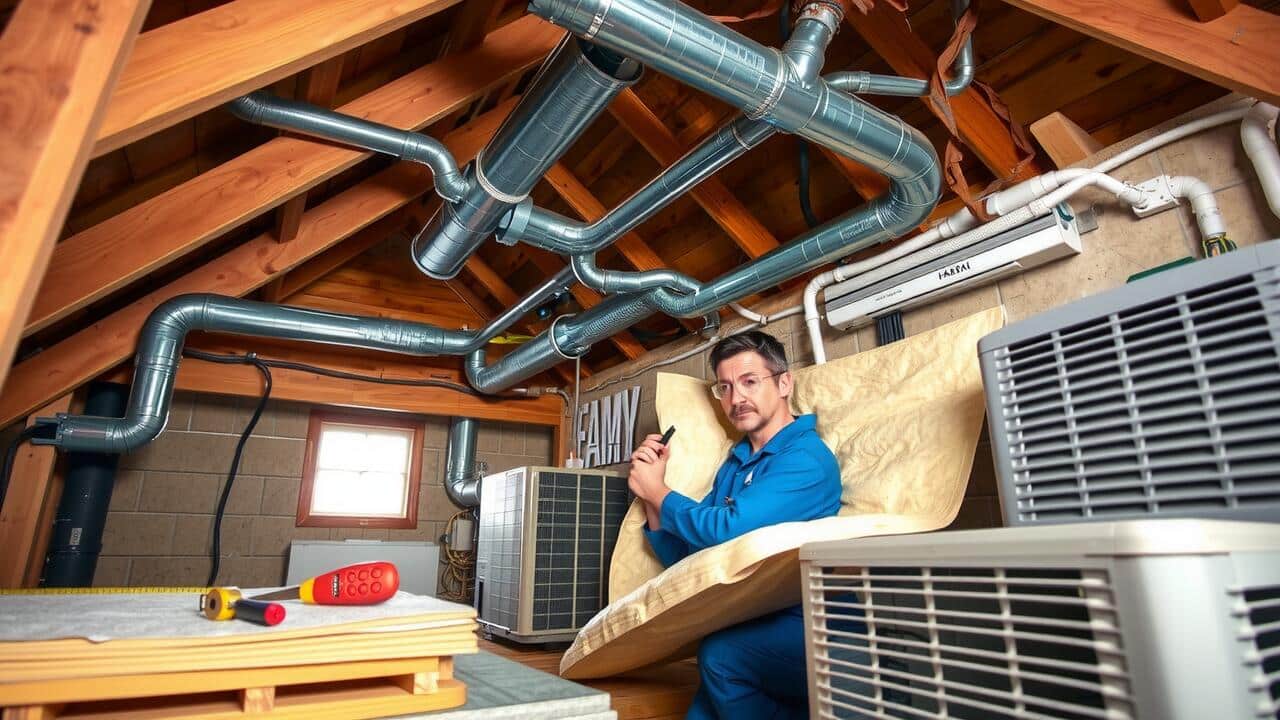
At Express Attic Insulation in Spring, TX, we specialize in top-quality HVAC insulation services designed to enhance the energy efficiency and comfort of your home. Our expert team understands the crucial role that proper insulation plays in maintaining optimal temperatures and reducing utility costs. We provide comprehensive insulation solutions for your heating, ventilation, and air conditioning systems, ensuring that conditioned air stays where it belongs—inside your living spaces. By choosing us, you can expect meticulous installation and high-performance materials that meet the highest industry standards, ultimately leading to improved airflow, reduced energy waste, and a more comfortable environment year-round. Trust Express Attic Insulation to keep your HVAC system operating at peak efficiency while helping you save on energy bills.
Cost Considerations for HVAC Insulation
Investing in HVAC insulation requires careful financial consideration, as the initial costs can vary significantly based on materials and installation methods. For instance, options like fiberglass, rockwool, and foil insulation each come with different price points and performance characteristics. Ductwork and piping insulation not only impact energy efficiency but also play a crucial role in minimizing heat loss and condensation. Homeowners should also factor in the long-term savings associated with reduced energy bills, as well as potential warranty benefits when selecting insulation products like those from Owens Corning or Johns Manville.
When evaluating insulation costs, it’s essential to consider all associated expenditures, including labor and maintenance. Insulation types such as stone wool or Microlite may incur higher upfront expenses but can offer superior thermal insulation and durability, leading to lower replacement costs over time. Additionally, the choice of insulating jackets, mastic for sealing joints, and waterproofing materials will affect both the initial investment and ongoing maintenance requirements. Taking these factors into account will provide a clearer picture of the overall financial commitment associated with enhancing HVAC systems.
Evaluating Long-Term Savings
Investing in HVAC insulation can yield significant long-term savings for homeowners and businesses alike. Proper insulation minimizes energy consumption by maintaining desired temperatures within spaces, reducing the workload on heating and cooling systems. This efficiency not only lowers utility bills but also enhances the lifespan of equipment. Over time, the initial cost of installation becomes a worthwhile expense as it translates into diminished energy costs.
Additionally, quality insulation can improve indoor air quality by minimizing dust and humidity levels. This is especially important in environments like airports or hospitals, where air quality is crucial for health. Insulation materials such as mineral wool or radiant barriers contribute to a more controlled climate, thus reducing disturbances from outside noise. As facilities prioritize noise reduction along with energy conservation, investing in effective insulation becomes an essential aspect of overall building management.
The Role of Insulation in Noise Reduction
Effective insulation plays a crucial role in mitigating sound transmission in various settings, particularly within residential and commercial buildings. By utilizing materials designed specifically for sound absorption, such as wool insulation or composite fibers, it becomes possible to significantly reduce noise from external sources and internal disturbances. This helps create a more peaceful indoor environment, enhancing both comfort and productivity for occupants. In spaces where noise pollution can be disruptive, such as hotels, offices, or homes near busy streets, proper insulation can make a noticeable difference.
A well-designed insulation strategy not only contributes to acoustic comfort but also aligns with broader building performance goals. Ensuring that ventilation ducts and heating, ventilation, and air conditioning (HVAC) systems are insulated appropriately can further minimize noise generated by operation. The integration of sound-absorbing materials in crawl spaces, attics, and around exhaust systems can tackle unwanted noise at its source. This multifaceted approach to insulation enhances the overall indoor climate while meeting the safety and efficiency standards that modern construction demands.
Managing Unwanted Noise Pollution
Noise pollution can significantly impact the indoor environment, making it crucial to address unwanted sounds from HVAC systems. Properly insulating air ducts and ventilation ducts helps minimize sound transmission, contributing to a more peaceful atmosphere. Materials like fiberglass insulation are effective in absorbing sound, ensuring that the efficiency of heating and cooling systems does not come at the expense of comfort.
Installations in areas such as crawl spaces, attics, and walls should focus on creating barriers against noise. The use of high R-value insulation materials allows for better thermal comfort while simultaneously reducing noise levels from equipment, such as heaters and water heaters. Incorporating self-adhesive and recycled composites can enhance the insulation process while also addressing environmental concerns, resulting in a quieter and more efficient HVAC system.
Safety Standards for Insulation Products
Choosing insulation products requires careful consideration of safety standards, particularly as regulations evolve to ensure environmental and public health. Materials such as polyisocyanurate, fiberglass, and XPS are subject to stringent testing for fire resistance, thermal performance, and indoor air quality. Compliance with LEED requirements further supports the commitment to eco-friendly practices in building and renovation projects. Evaluating certifications and performance data can guide contractors and homeowners in selecting materials that not only meet safety regulations but also provide energy efficiency.
The importance of adhering to safety standards extends beyond initial installation. Proper maintenance and periodic inspection of insulation materials can help mitigate risks associated with wear and leaks, which can impact air quality and contribute to carbon emissions. Contractors must ensure that products, such as radiant heat systems, adhere to applicable fire protection requirements. By prioritizing safety in insulation choices, long-term reliability and maintenance costs can be effectively managed, leading to better performance and enhanced overall safety in building environments.
Meeting Fire Protection Requirements
Fire safety is a critical aspect when selecting insulation materials for HVAC systems. Many products on the market today, such as those made from thermosetting resins or nonwoven fibers, have been designed to meet stringent fire protection standards. These materials are engineered to resist flammability while effectively insulating pipes and ducts. It’s essential to choose insulation that complies with the National Fire Protection Association (NFPA) guidelines to minimize the risk of fire hazards, especially in areas like kitchens or warehouses where the presence of heat sources is common.
In addition to meeting regulatory standards, proper insulation can also help prevent thermal shock in heating and cooling systems. Materials that can withstand high temperatures reduce the likelihood of catastrophic failure, while enhancing overall system performance. Utilizing sealants and barriers appropriately around ductwork and pipe insulation further contributes to minimizing leakage of heat and sound. Investing in high-quality, fire-resistant insulation not only enhances safety but also proves to be a smart long-term investment by lowering associated costs with energy efficiency and system maintenance.
FAQS
What factors influence the cost of HVAC insulation?
The cost of HVAC insulation can be influenced by several factors, including the type of insulation material used, the size of the area to be insulated, labor costs, and any additional features such as moisture resistance or fire ratings.
How can I evaluate the long-term savings from HVAC insulation?
Long-term savings can be evaluated by considering the reduction in energy bills, improved system efficiency, and potential maintenance savings. Conducting an energy audit or consulting with a professional can help provide a clearer picture of these savings.
Does HVAC insulation help reduce noise levels in my home?
Yes, HVAC insulation can significantly reduce noise levels by dampening sound transmission from HVAC systems and external sources, creating a quieter and more comfortable living environment.
What steps can I take to manage unwanted noise pollution in my HVAC system?
To manage unwanted noise pollution, consider using soundproof insulation materials, ensuring proper installation, and regularly maintaining your HVAC system to minimize mechanical noise.
What safety standards should I be aware of when selecting insulation products for HVAC systems?
When selecting insulation products, it is important to look for compliance with safety standards such as flame resistance, low smoke emission, and health regulations, which ensure that the materials are safe to use in residential or commercial applications.