Table Of Contents
DIY Air Sealing Techniques
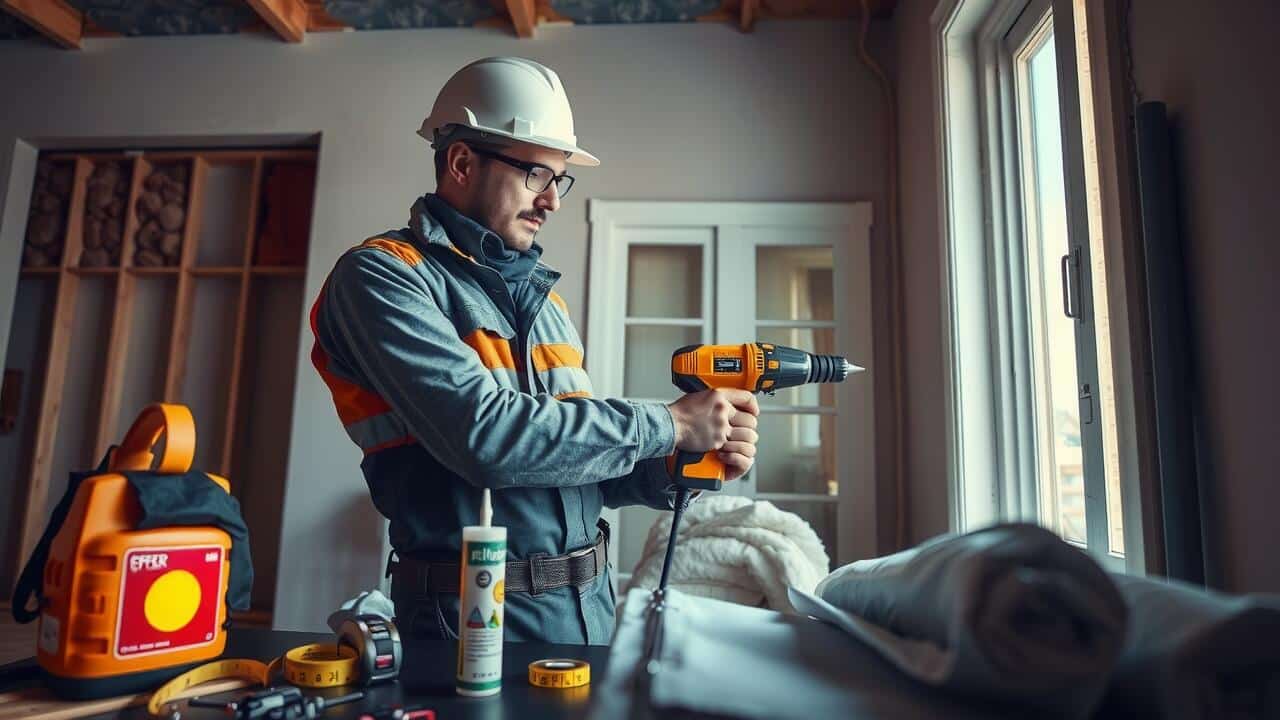
Air sealing in your home is a manageable task that can yield significant benefits. One of the most accessible DIY techniques involves using weatherstripping on doors and windows. This easy-to-apply material fills gaps and prevents drafts, which can help improve your home’s energy efficiency. Foam sealant and caulk can also be utilized to fill cracks and crevices in walls, foundations, and around pipes. Finding these leaks is essential; using a simple incense stick or a candle can help identify drafts.
Another effective method for air sealing in your home is adding insulation to areas like attics and basements. Proper insulation reduces air leaks and helps maintain a consistent indoor temperature. This task can often be completed with minimal tools and materials, making it a suitable option for many homeowners. Remember to check for gaps in areas like outlets and light fixtures, where air can also escape. Taking these proactive steps contributes to a more comfortable living environment while also saving money on energy bills.
Step-by-Step Guide
Air sealing in your home begins with a thorough inspection of areas where drafts may occur. Look for gaps around windows, doors, electrical outlets, and plumbing fixtures. It can be helpful to use a candle or smoke stick to detect airflow. Once you identify the vulnerable spots, gather the necessary materials such as caulk, weather stripping, or foam sealant.
Next, you should start sealing the identified areas. Apply caulk around window frames and baseboards, ensuring it fills any cracks. For doors, attach weather stripping to create a tight seal when the door is closed. Foam sealant can be used for larger gaps around pipes and ducts. Take your time with each step to ensure a thorough and effective air sealing in your home, as this will help improve energy efficiency.
Professional Air Sealing Services
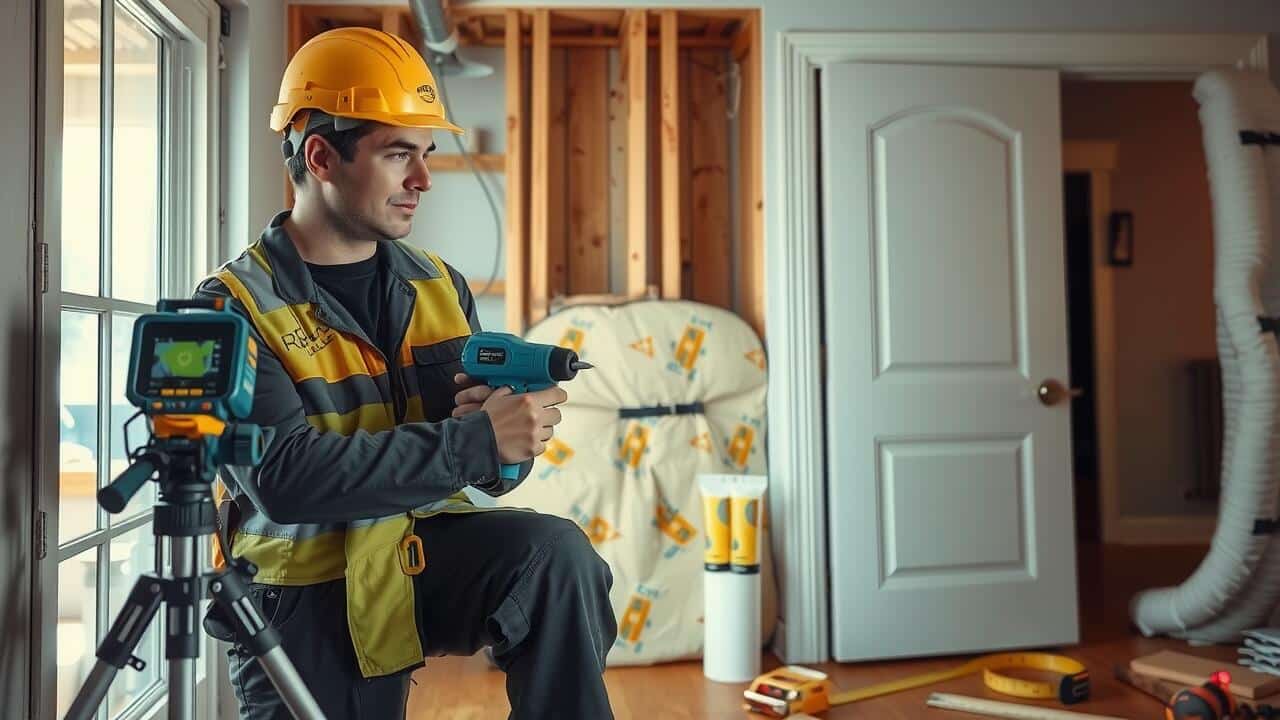
Hiring professionals for air sealing in your home can significantly enhance energy efficiency and indoor comfort. Experts use advanced tools and techniques to identify air leaks that may be difficult to detect with the naked eye. By providing a thorough assessment, they ensure that the sealing process addresses all potential problem areas, including attics, basements, and crawl spaces.
When you opt for professional air sealing in your space, you can expect a comprehensive approach. Trained technicians will often conduct a blower door test to determine the home’s air leakage rate. Following the assessment, they apply the most suitable materials to seal various gaps and cracks effectively. This meticulous strategy not only improves energy savings but also enhances overall indoor air quality, creating a more pleasant living environment.
What to Expect from Experts
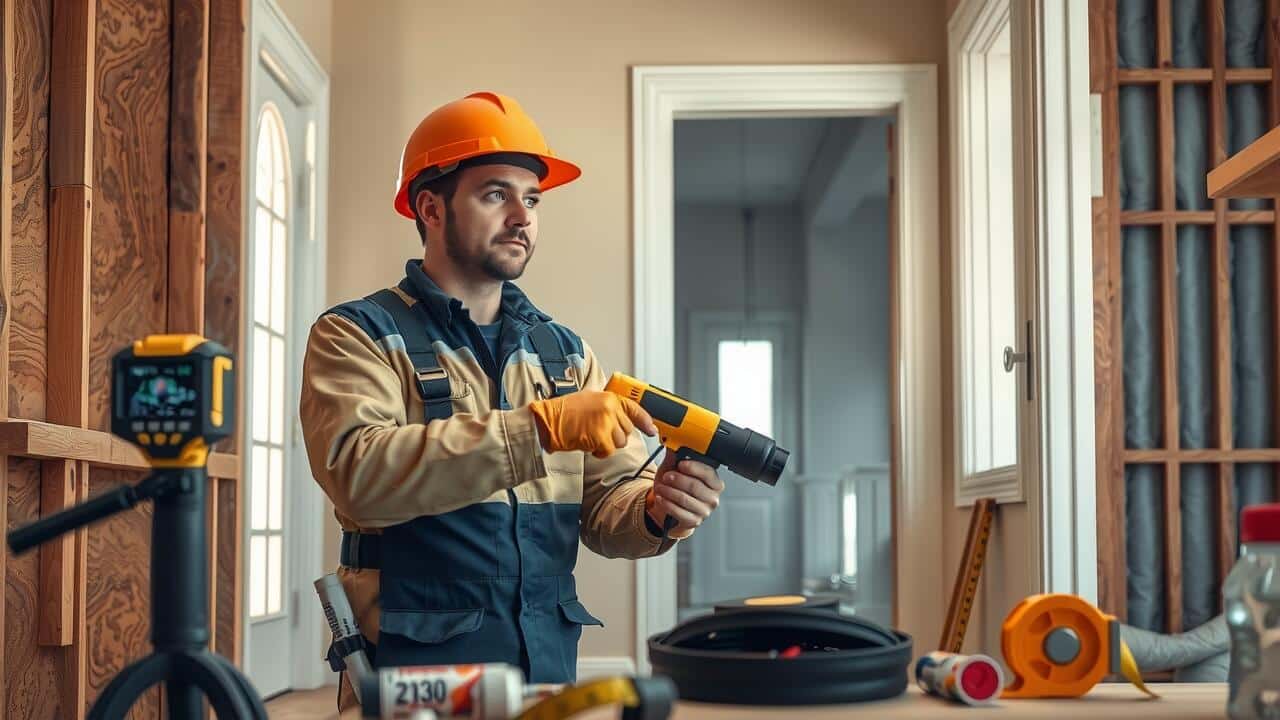
When hiring professionals for air sealing in your home, expect a thorough assessment of your property. Experts will typically begin with an energy audit to identify areas where air leaks may occur. This evaluation often incorporates specialized tools like blower doors, thermal cameras, and smoke pencils to pinpoint vulnerabilities. A detailed report will outline problem areas, giving you a clear understanding of the necessary steps to enhance your home’s energy efficiency.
The actual air sealing in your home will involve a range of techniques tailored to the identified leaks. Professionals may use caulk, foam, weatherstripping, and other materials to create a tight seal. They will ensure that the air sealing process maintains proper ventilation where needed, preventing issues like moisture buildup and indoor air quality problems. By working with skilled experts, homeowners can achieve a more comfortable living environment while reducing energy costs.
Potential Risks of Poor Air Sealing
Poor air sealing can lead to significant issues within a home, particularly concerning the growth of mold. When gaps and cracks are present, moisture from the outdoors can infiltrate the living space. This excess moisture creates a conducive environment for mold spores to thrive, posing health risks to the occupants. Mold can affect individuals with allergies or respiratory issues, leading to exacerbated symptoms and discomfort.
Inadequate air sealing also impacts indoor air quality. Pollutants from outside can easily enter through poorly sealed areas, leading to higher concentrations of allergens and contaminants. These particles can circulate throughout the home, affecting the overall health of residents. Implementing effective air sealing in dwellings not only helps maintain comfort but also protects occupants from the hazards of poor indoor air quality.
Mold Growth and Indoor Air Quality
Mold growth thrives in environments with high humidity and insufficient ventilation. Poor air sealing can lead to unconditioned air infiltrating a home, causing fluctuations in indoor temperature and humidity levels. This imbalance creates perfect conditions for mold spores to settle and reproduce. Once established, mold can have serious health implications, particularly for individuals with allergies or respiratory issues.
Air sealing in homes helps to maintain a controlled indoor environment, minimizing the risk of mold development. By reducing unwanted air leaks, it improves overall energy efficiency, leading to a more consistent indoor climate. Proper air sealing also aids in maintaining good indoor air quality by preventing pollutants and allergens from entering the living space. Addressing air leaks is essential for a healthy home atmosphere.
FAQS
What is air sealing?
Air sealing is the process of closing off gaps and cracks in a building’s envelope to prevent air leakage, thus improving energy efficiency and indoor air quality.
Why is air sealing important?
Air sealing is important because it helps reduce energy costs, enhances comfort by eliminating drafts, and prevents moisture issues, which can lead to mold growth and poor indoor air quality.
Can I perform air sealing myself, or should I hire a professional?
While many DIY techniques are effective, hiring a professional can ensure a thorough assessment and application of advanced sealing methods, especially in hard-to-reach areas or larger spaces.
How do I know if my home needs air sealing?
Signs that your home may need air sealing include drafts, uneven temperatures in different rooms, high energy bills, and visible gaps or cracks around windows, doors, and other openings.
What are the potential risks of poor air sealing?
Poor air sealing can lead to various issues, including increased energy costs, drafts, moisture problems, mold growth, and declining indoor air quality, which can negatively affect health and comfort.