Table Of Contents
DIY Air Sealing vs. Hiring Professionals
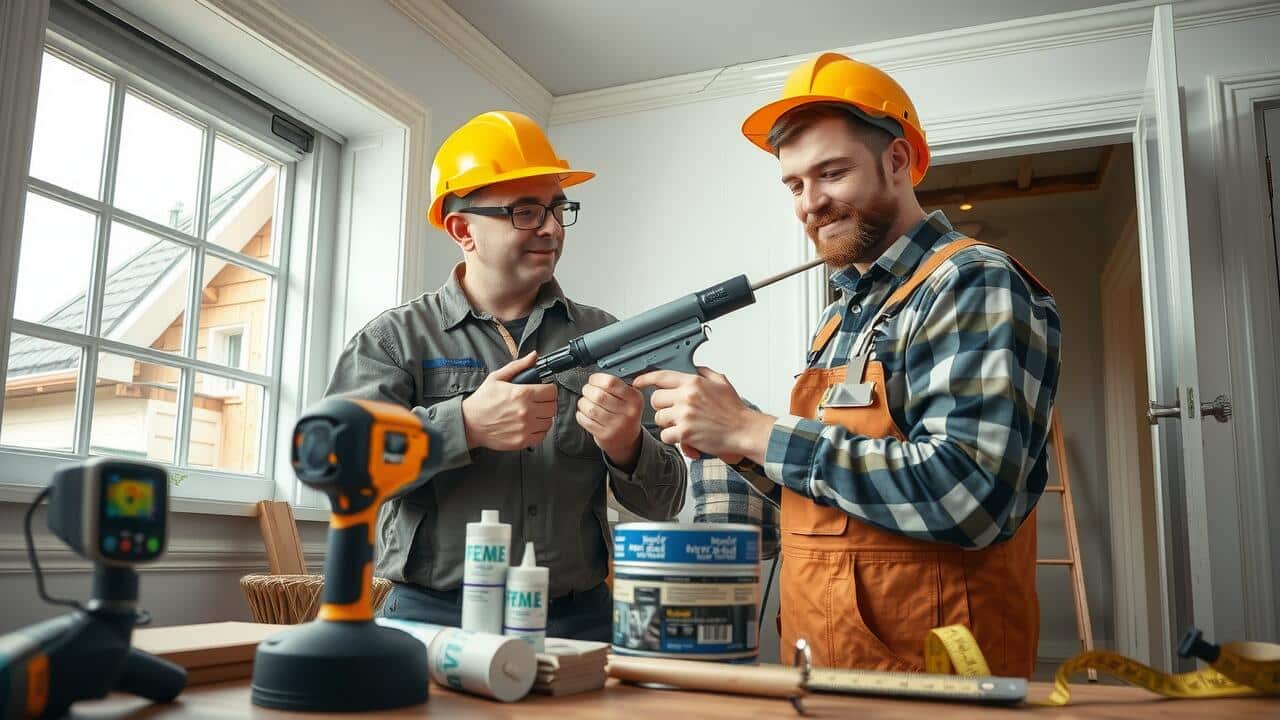
DIY air sealing offers homeowners a way to address energy inefficiencies on their own. With the right tools and materials, individuals can seal gaps and cracks in various locations throughout the house. This approach can save money on labor costs and gives homeowners a sense of accomplishment. However, it requires a certain level of skill and understanding of where to look for leaks. Not having professional guidance might lead to overlooking critical areas that contribute to energy loss.
Hiring professionals for air sealing involves a more structured approach with expert assessments and solutions. Experienced contractors can identify less obvious leaks and utilize advanced techniques to ensure that the sealing is effective. While this option typically incurs higher costs, it provides peace of mind that the job is done correctly. Professionals often bring access to specialized materials and equipment that may not be readily available for DIY projects, enhancing the overall effectiveness of air sealing.
Pros and Cons of Each Approach
Choosing between DIY air sealing and hiring professionals involves weighing specific advantages and disadvantages. DIY air sealing allows homeowners to take control of the project, potentially reducing labor costs and enabling them to work at their own pace. Additionally, those with handy skills might find satisfaction in completing the task themselves. However, this approach can become challenging without proper knowledge. A project like air sealing requires careful identification of leaks and the correct application of materials, which may lead to inadequate results if not executed properly.
On the other hand, hiring professionals to perform air sealing offers expertise and efficiency. Trained specialists are equipped to identify hard-to-find leaks and apply solutions that adhere to best practices. This can lead to improved energy efficiency and comfort in the home. The downside of professional services often lies in the higher upfront costs. Homeowners must consider whether the potential long-term savings on energy bills justify the initial investment.
Identifying Air Leaks in Your Home
Identifying air leaks in your home is essential for effective air sealing. Common sources include gaps around windows, doors, electrical outlets, and ductwork. These leaks can significantly impact heating and cooling efficiency. A simple visual inspection may reveal some obvious issues. Using a lit candle or incense stick can help detect drafts, as the flame or smoke will move when air passes through.
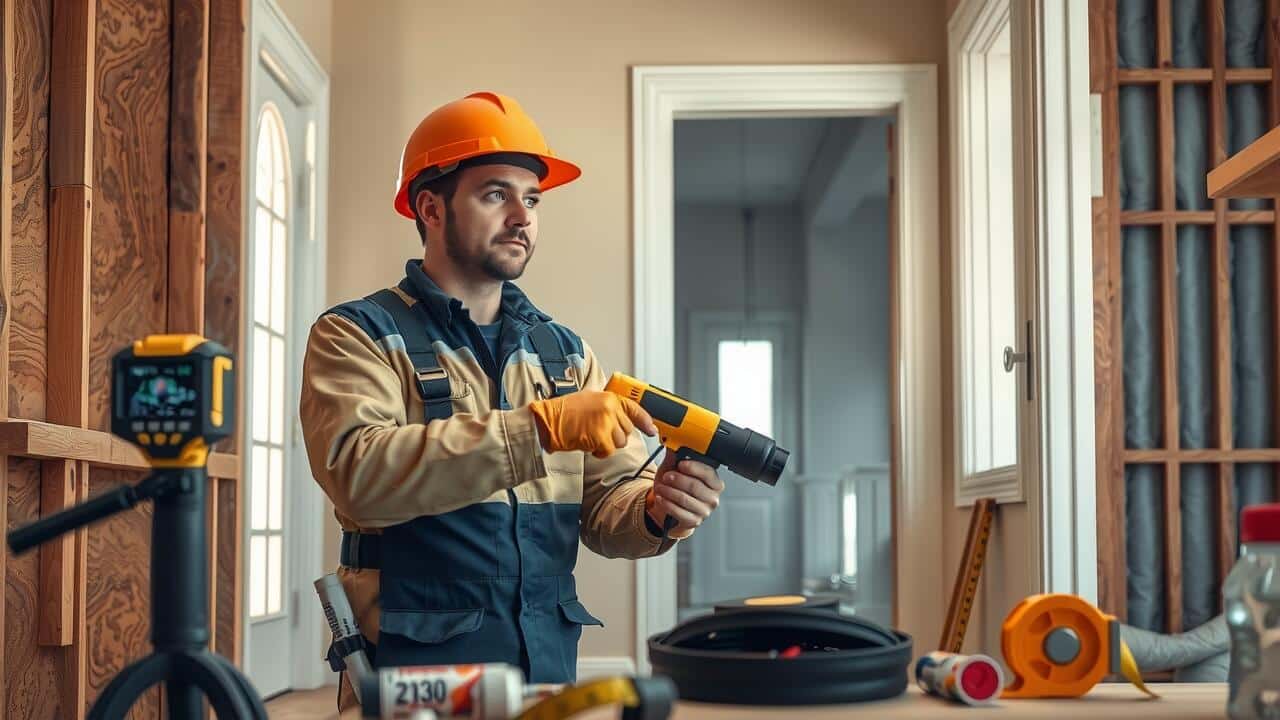
Thermal imaging cameras provide another useful method for pinpointing leaks, showing temperature variations across surfaces. By targeting these problematic areas, homeowners can better focus their air sealing efforts. Ultimately, knowing where these leaks are located allows for a more strategic and efficient approach to air sealing throughout the entire home.
Common Areas to Inspect
When identifying air leaks in a home, it’s essential to focus on common areas where gaps typically occur. Windows and doors are frequent culprits. Inspecting the seals around these openings can reveal hidden leaks that contribute to drafts. Additionally, areas like electrical outlets, baseboards, and light fixtures may harbor gaps that require attention. The corners where walls meet the ceiling or floor often have cracks that can impact energy efficiency.
Another key area to inspect is the attic and basement. These spaces can have significant air leakage if not properly sealed. Look for openings around ductwork, plumbing, and wiring that penetrate walls and ceilings. Foundations might also have cracks or gaps that undermine air sealing efforts. Addressing these common areas diligently can lead to a more effective air sealing strategy, enhancing comfort and energy savings in the long run.
The Role of Insulation in Air Sealing
Insulation plays a crucial role in the overall effectiveness of air sealing. While air sealing primarily focuses on eliminating unwanted air leaks, proper insulation ensures that the thermal barrier in a home remains intact. This combination enhances energy efficiency by preventing conditioned air from escaping and unconditioned air from entering. Without adequate insulation, even the most meticulous air sealing efforts may fall short, allowing energy loss to occur through walls, ceilings, and floors.
When insulation complements air sealing, homeowners can achieve a more comfortable indoor environment. The two work together to maintain consistent temperatures and reduce energy costs. Insulation helps to stabilize indoor conditions, while air sealing prevents drafts and enhances the insulation’s performance. Together, they create a synergistic effect that maximizes energy savings and improves overall home comfort.
How Insulation Complements Air Sealing
Insulation plays a vital role in enhancing the effectiveness of air sealing. Properly installed insulation reduces the movement of air between different areas of your home. When air sealing is done without adequate insulation, gaps and leaks can undermine the benefits, allowing warm or cool air to escape. This combination ensures that your heating and cooling systems operate more efficiently, leading to improved energy savings.
In addition to enhancing the effectiveness of air sealing, insulation helps to regulate indoor temperatures. It minimizes temperature fluctuations, creating a more comfortable living environment. When insulation and air sealing work together, homeowners can experience a noticeable reduction in energy bills. This synergy not only improves energy efficiency but also contributes to the overall longevity of HVAC systems.
FAQS
What factors influence the cost of air sealing a whole house?
The cost of air sealing a whole house can be influenced by factors such as the size of your home, the extent of air leaks, the materials used, and whether you choose to do it yourself or hire professionals.
How much can I expect to pay for professional air sealing services?
Professional air sealing services typically range from $1,000 to $3,000, depending on the size of the home and the complexity of the job.
Are there any DIY options for air sealing that can save me money?
Yes, many homeowners choose to tackle smaller air sealing projects themselves using materials like caulk, weatherstripping, and foam sealants, which can significantly reduce costs.
How long does the air sealing process take?
The duration of the air sealing process can vary, but a professional job may take anywhere from a few hours to a couple of days, depending on the size of the home and the number of areas that need treatment.
Will air sealing my home really save me money on energy bills?
Yes, air sealing can lead to substantial savings on energy bills by reducing the amount of conditioned air that escapes, thus improving heating and cooling efficiency. Many homeowners see a return on investment within a year or two.